
>
Your region has been set automatically. Please confirm or select a different region.
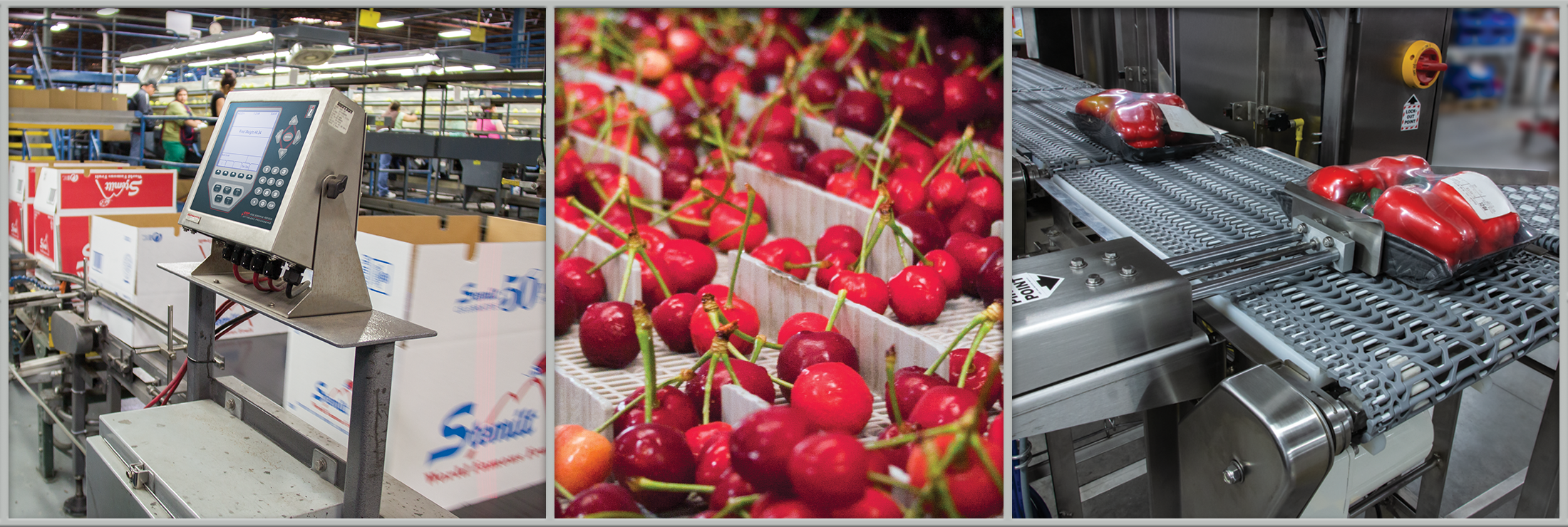
Checkweighers are used in a wide range of industries, such as food and beverage packaging, pharmaceuticals, cosmetics and logistics. Most often, checkweighers are used at the end of a production line, but their uses go beyond simply weighing products.
In-motion checkweighers automatically weigh products as they move along a production line, while static checkweighers require operators to move products on and off the scale.
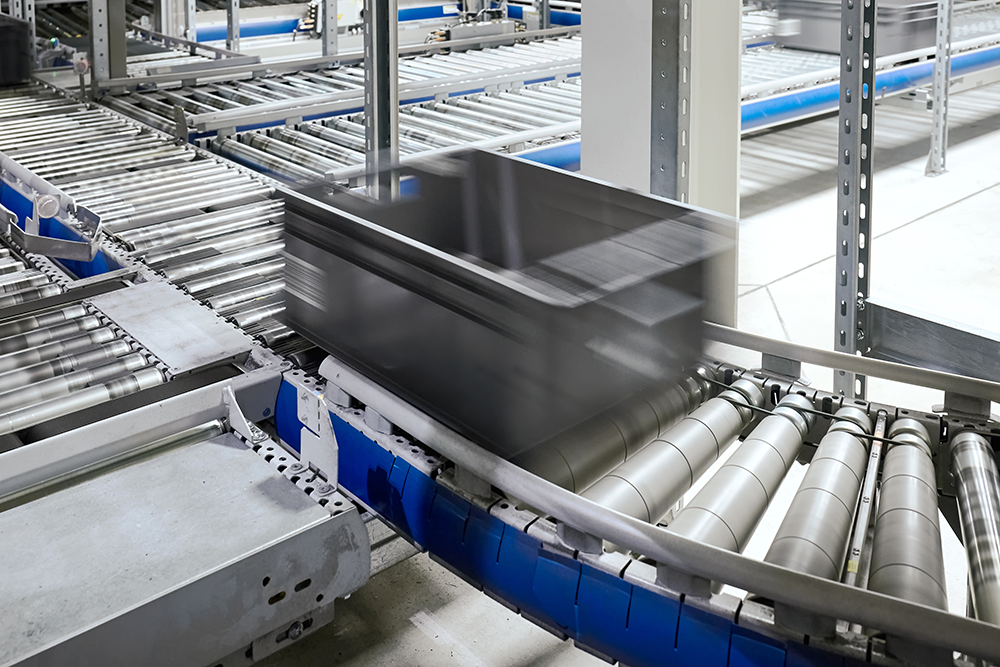
An in-motion (dynamic) checkweigher weighs products, then rejects or accepts them based on preset weight zones. In-motion checkweighers automate processes, increasing speed and productivity while decreasing operator intervention. These systems provide a 100% inspection rate and reduce human errors.
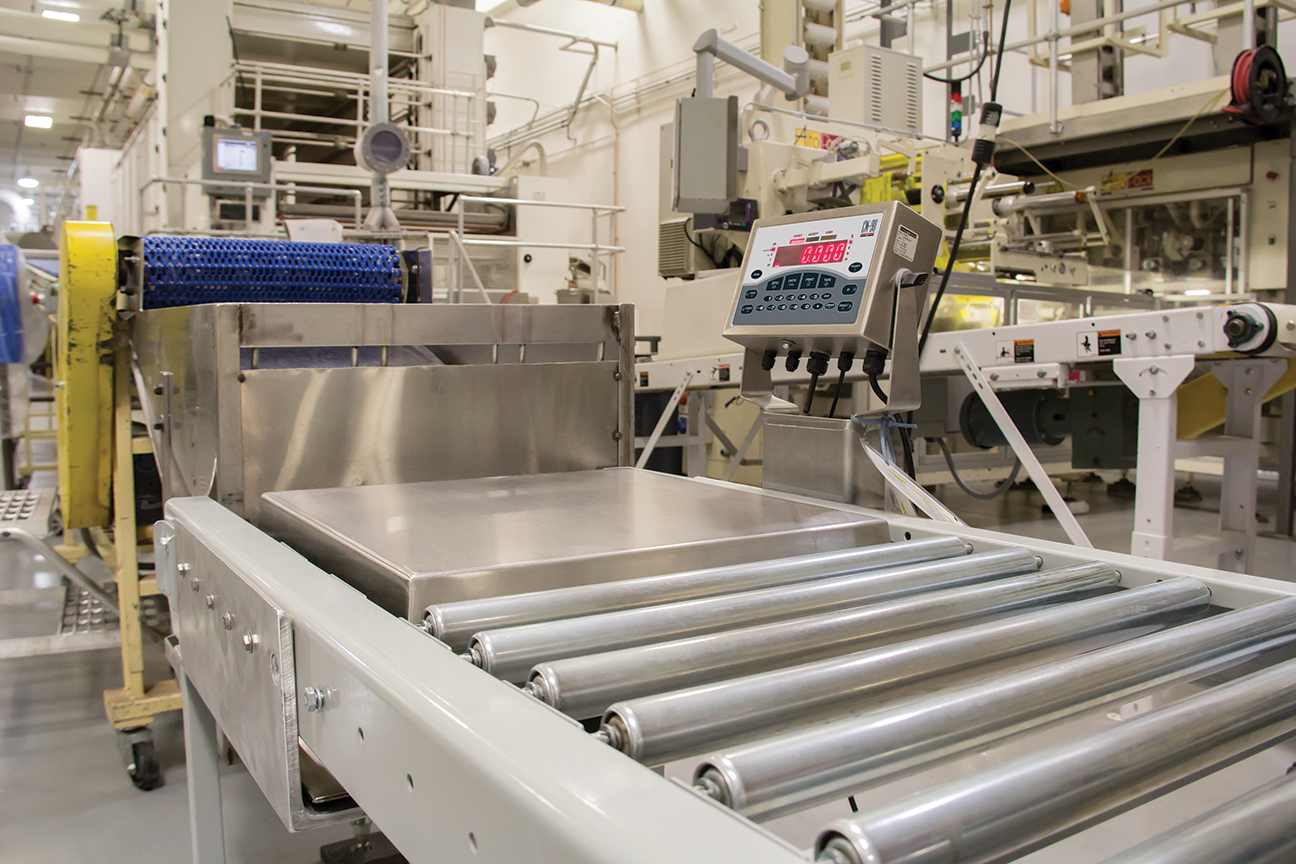
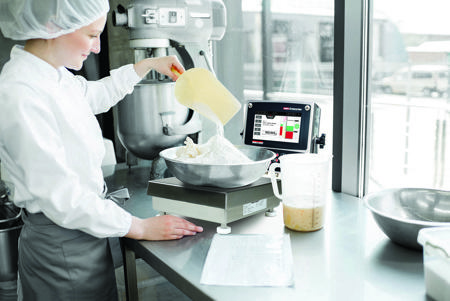
A static checkweigher is designed to verify product weight to be within a preset range or target, but it requires an operator to move product on and off the platform. A static checkweigher requires very little maintenance and there is no process control to service.
Conveyor Belts
Infeed and outfeed conveyor belts move products through the checkweigher and along the production line.
Weight Indicator
The indicator, or controller, displays weight data and serves as the command center for the checkweighers operation and calibration.
Options
From reject devices and stack lights to alarms and fieldbus protocols, in-motion checkweighers offer a variety of accessories to make your production line more manageable and efficient.
Platform
The checkweigher platform can be a flat top, roller top or ball top so operators can easily transfer material on and off the scale. The platform should be easy to clean and some are specifically designed for environments requiring heavy washdowns.
Weight Indicator
The indicator displays weight data and typically includes alert lights for over, under and target weight zones. It may be mounted to a column above the weighing platform or as a standalone device.
Options
Stack lights indicate over- and underweight measurements, and a column can attach the indicator to the platform, keeping it at eye-level. Mobile carts allow static checkweighers to be moved throughout production as needed.
Product inspection ensures quality control throughout all stages of the manufacturing process. Checkweighers, whether in-motion or static, create an inspection point to verify weight, but they can also help optimize manufacturing processes and reduce overall costs.
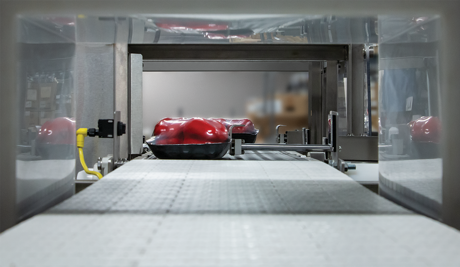
Production management software used in checkweighing processes captures weight data throughout production to ensure optimal ingredient use, provides complete process reports and highlights areas that could use an efficiency boost.
Production management software can integrate with existing ERP and MRP systems and help support product traceability. Thorough reporting can help promote consistent quality, minimal waste, better cost control and detailed records of every process, ultimately saving time and money.
Looking for the best checkweigher? Download our Buyer's Guide now and find the best solution for you.
Explore our expert resources to discover how Rice Lake’s checkweighing solutions can enhance your operations.
If you would like more information about Rice Lake checkweigher systems or to speak with one of our experts, please submit the form below.

