


Top 10 Load Cell and Strain Gauge Facts
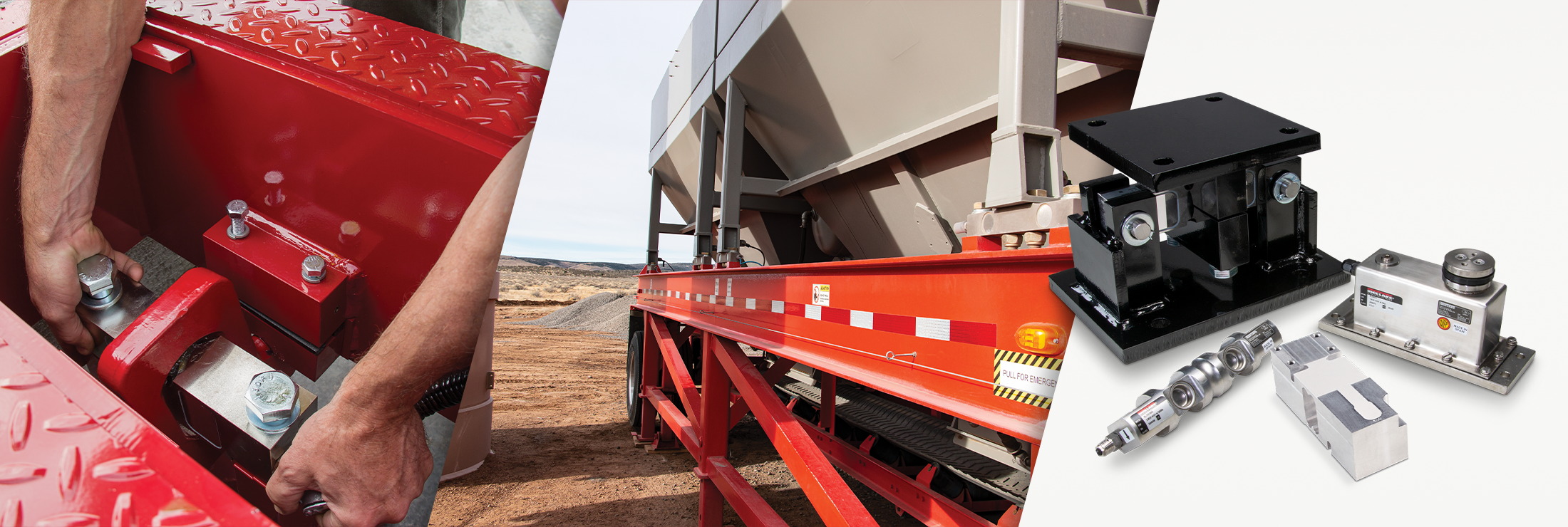
Load cells are a sensitive scale component used to measure weight. Inside each load cell is a strain gauge. The strain gauge bends based on the weight on the scale, and the force put on the strain gauge determines the weight. Depending on the size of the scale, multiple load cells may be used, such as in truck scales.
Regardless of what load cell is being used, there are some facts that are true for all models.
1. Load Cell Weighing Systems Are a Necessity
The load cell is the most important component of a scale system. Without a load cell, a scale cannot measure the change in force and collect the weight.
2. Load Cell Technology Dates Back to 1843
British physicist Charles Wheatstone invented the Wheatstone bridge circuit to measure electrical resistance. He named this new technology the Wheatstone bridge, which is still used as the basis for today’s load cell strain gauges.
3. Strain Gauges Need Resistance
A strain gauge consists of a very fine line of wire with a certain amount of resistance. When a load is applied, that wire either stretches or compresses, thus increasing or decreasing its electrical resistance, which determines weight.
4. Load Cells Measure Diversely
Load cells are capable of measuring more than just cantilever force, or the force caused to one end of the load cell. In fact, load cells can measure the electrical resistance from vertical compression, tension and suspended tension.
5. Hermetically Sealed Load Cells and More
Load cells are categorized into three main groups: environmentally protected, welded seal and hermetically sealed. Knowing which type of load cell you need will help you find the right fit for your application, ensuring optimal results.
6. Load Cells Intentionally Bend
Deflection is how far the load cell bends from its original resting position. This is caused by the force applied to the load cell and allows the strain gauge to detect resistance.
7. Load Cell Wiring Varies
Load cell wiring for excitation, signal, shield and sense can change in coloring depending on the manufacturer. Refer to the original equipment manufacturer’s manual to understand color coding.
8. Load Cells Can Be Customized
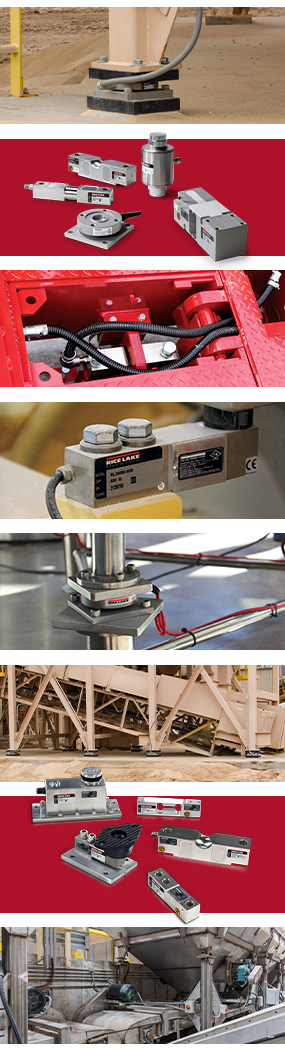
Custom load cells can be integrated into pre-existing structures such as hoppers, tanks or silos to create a personalized weighing solution. These are ideal for applications that require inventory management, recipe batching or material discharge, or have complex existing processes.
9. Load Cells Are Extremely Accurate
High-accuracy scale systems are generally considered to have errors of ±0.25% or less; lower-accuracy systems will have errors of ±0.5% or greater.
10. The Right Load Cell Can Be Different for Every Application
The most effective way to construct a highly accurate scale system is to find a solution tailored to the application. But it’s not always easy to know which load cell is best for each unique application. Consult with engineers and manufacturers to find the right choice for you.