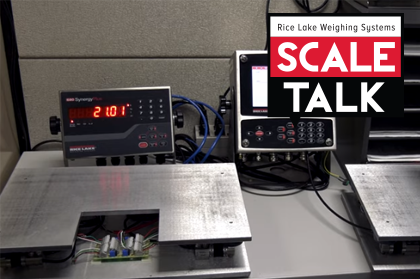
Method 1: Using Calibration Weights
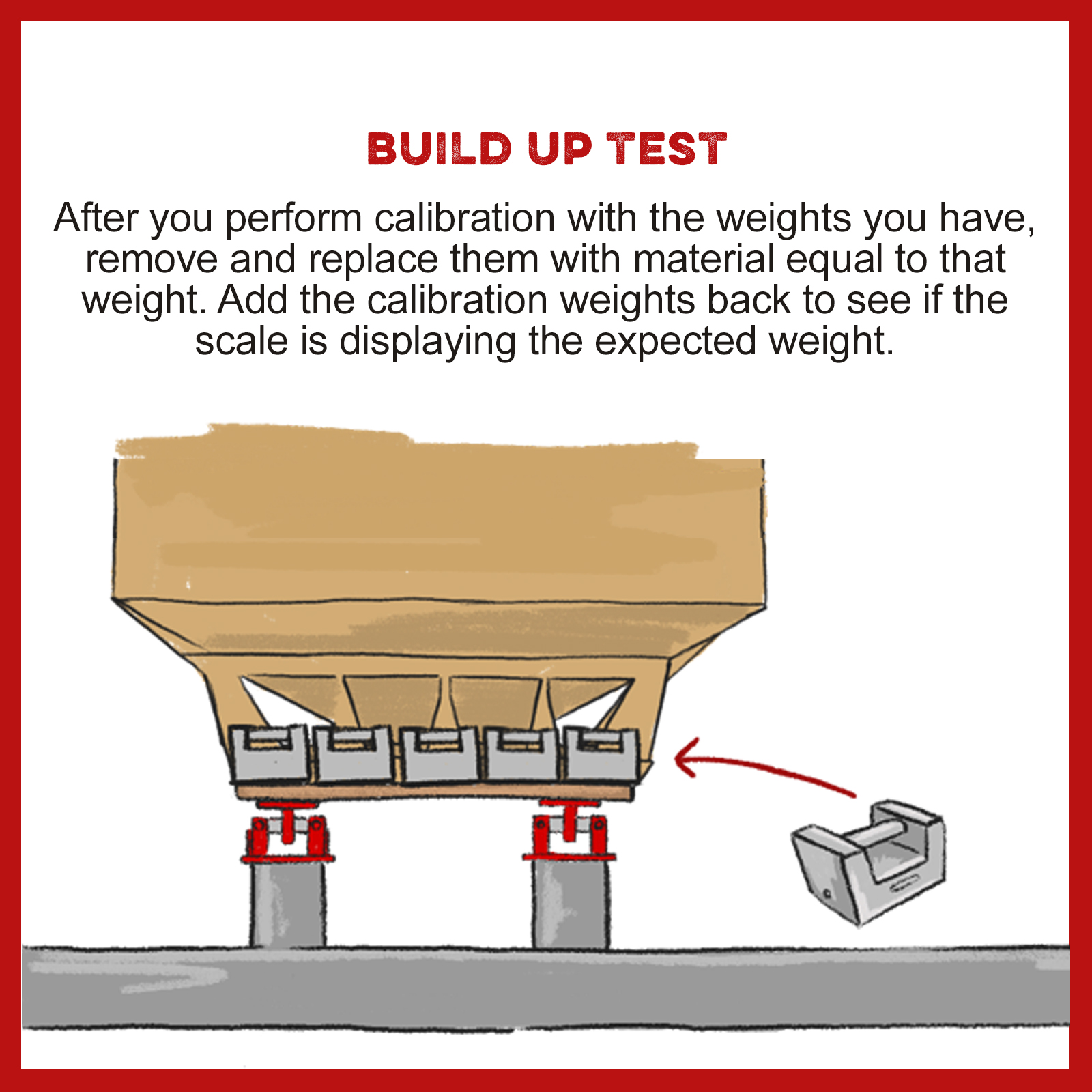
Using certified calibration weights, or test weights, is the most accurate method for calibrating a scale and should be your first choice. This is also the only Legal for Trade method you can use to calibrate your scales. It’s essential to review NIST Handbook 44 to ensure you’re using the correct class and amount of weight for the capacity of your scale during calibration procedures. Generally, you will need weights that equal at least 12.5% of the scale’s capacity, though some lower-capacity scales may require weights equal to the total capacity. For example, if you have a scale with a 50-pound capacity, Handbook 44 recommends using calibration weights equivalent to 50 pounds to calibrate the scale.
While it is recommended you use certified calibration weights to calibrate your scales, and it is necessary to do so in Legal for Trade applications, there are some instances when calibration weights may not be available. Perform a scale calibration through Method 1 with certified calibration weights whenever possible.
Method 2: Using an Object from a Calibrated Scale
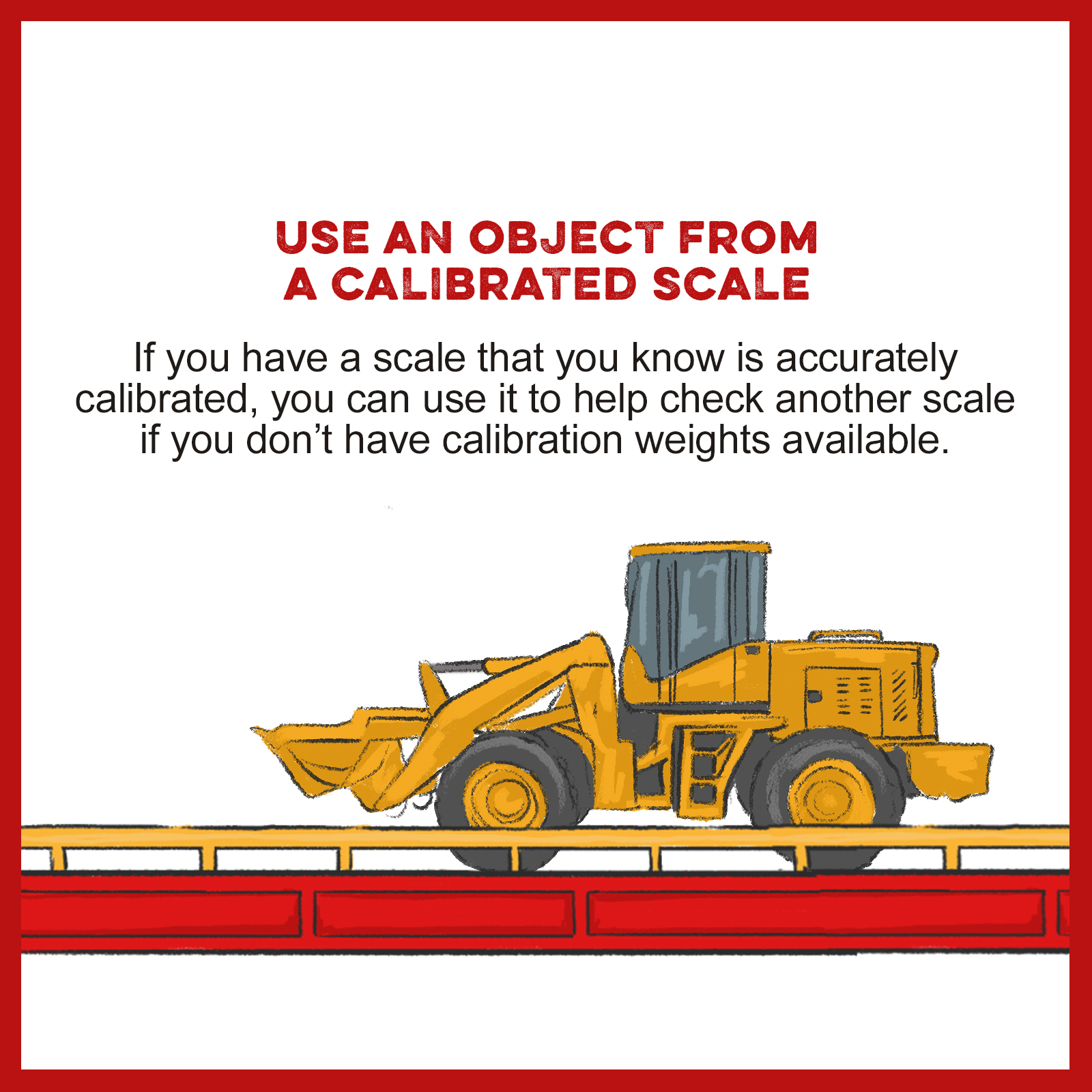
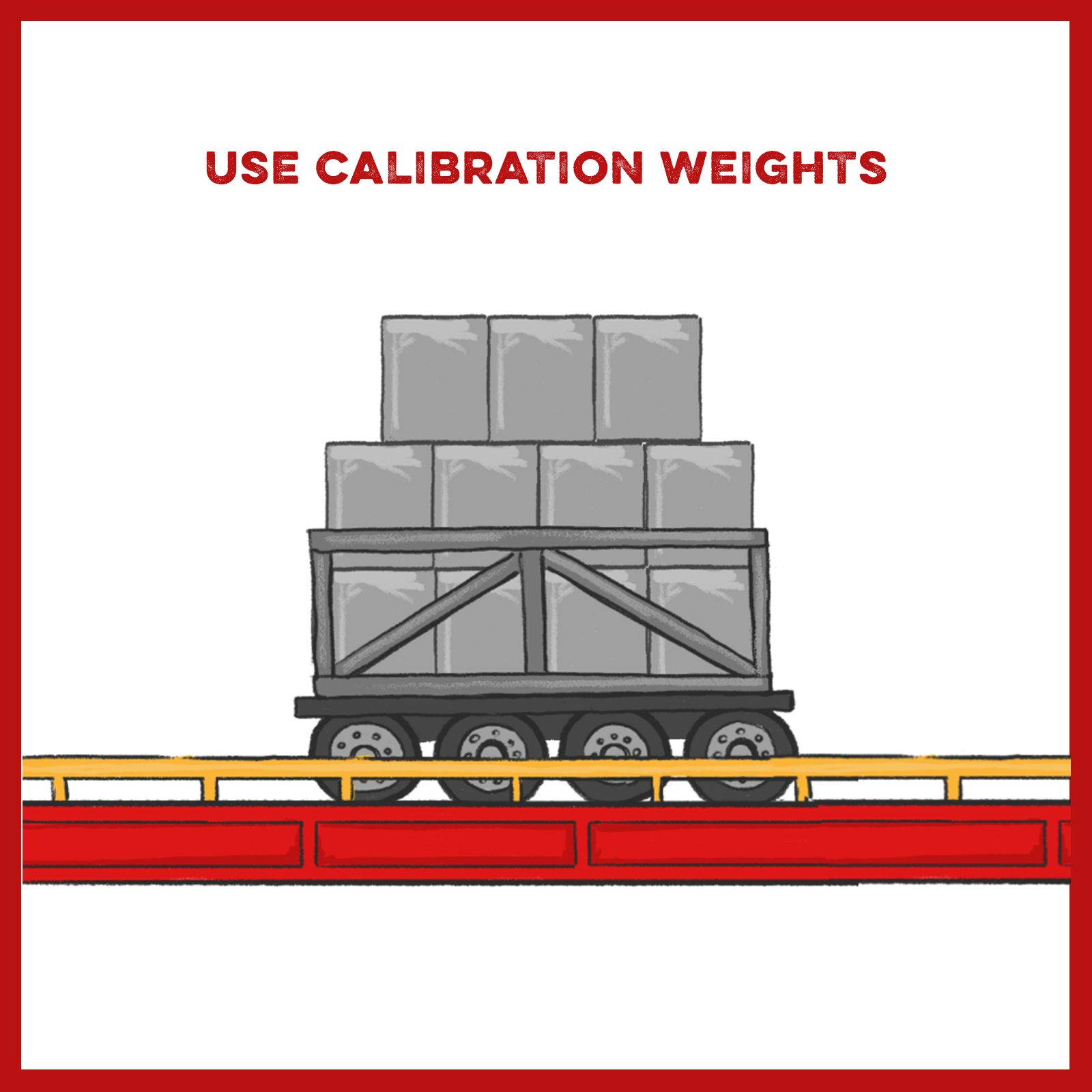
If you have a scale known to be accurately calibrated, you can use it to help calibrate another scale if calibration weights are not available. To compare the scales, you would place an object on the calibrated scale and record the exact weight. Then, place the same object on the uncalibrated scale to ensure it produces the same weight reading. The object works as a temporary substitution for calibration weights to check accuracy quickly.
This method is helpful for heavy-capacity scales, such as truck scales. A truck could drive into a calibrated scale, record the weight, and then drive onto an uncalibrated second scale to check the accuracy.