The Internet of Things and Agriculture
Big data is the next big thing. Global markets such as healthcare, technology and finance have already transitioned into using big data to analyze and predict industry trends and market fluctuations. With this information, healthcare can be more personalized, technology more consumer-driven and finance more profitable. Other industries, like agriculture, have been slower to adapt big data due to an aging population and the cost of smart farming. Feedlogic of Willmar, Minn. aims to address this issue by making technology more accessible and data more relevant to farmers.
By 2050, the Food and Agriculture Organization of the United Nations (FAO) predicts that the world’s population will grow to 9.6 billion. In spite of declining resources and limited land availability, food production must increase by 70 percent in order to adequately feed the growing population. The agriculture industry is challenged with this problem of feeding more people with diminishing land and declining resources.
Using the Resources You Have
How to do this is the question many in the agriculture industry find difficult to face. The answer, according to Drew Ryder, president of Feedlogic, is already available—use what resources you already have, but integrate them with sensing technology, data analytics, wireless communication and telematics to increase production and reduce waste.
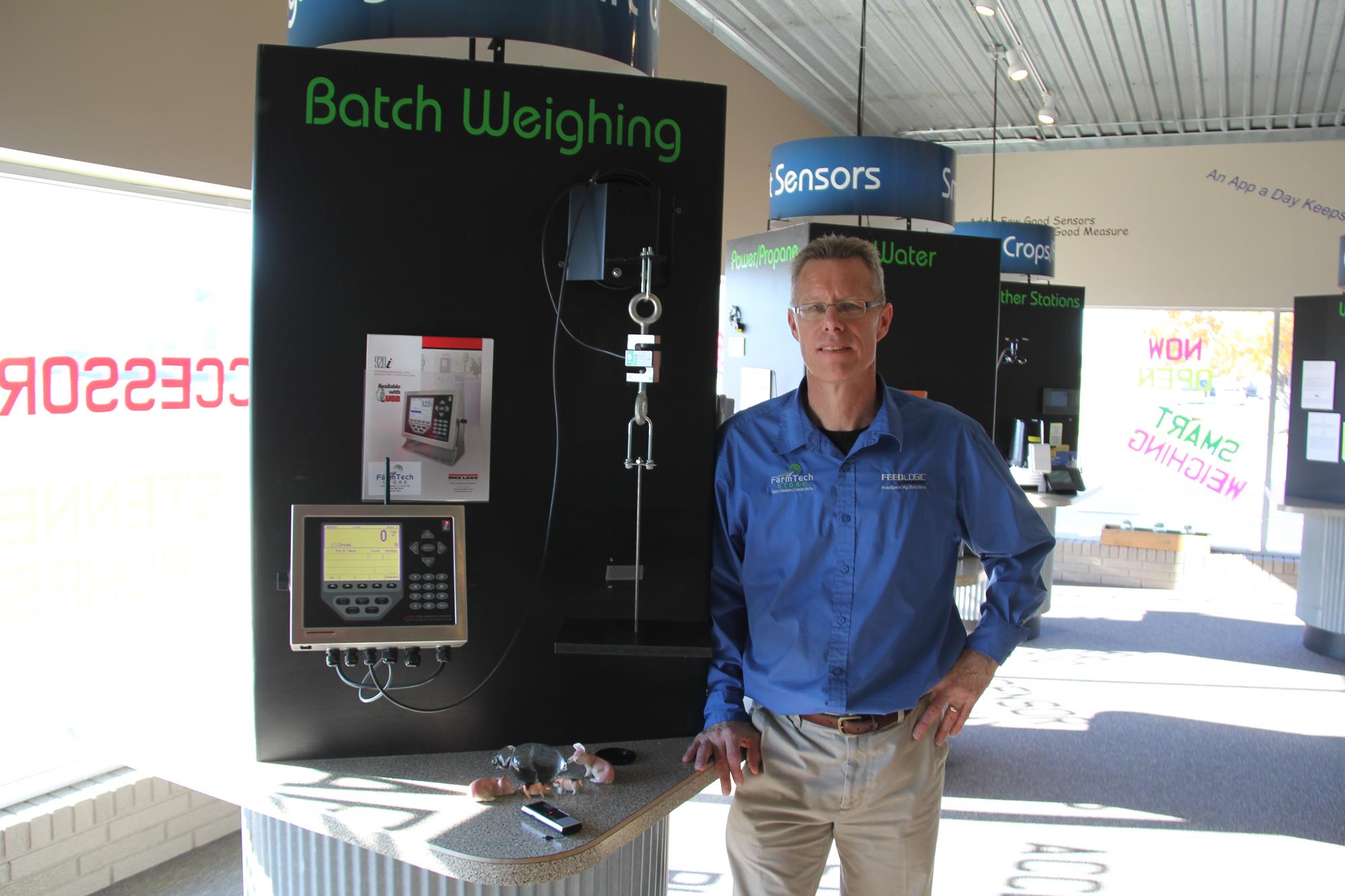
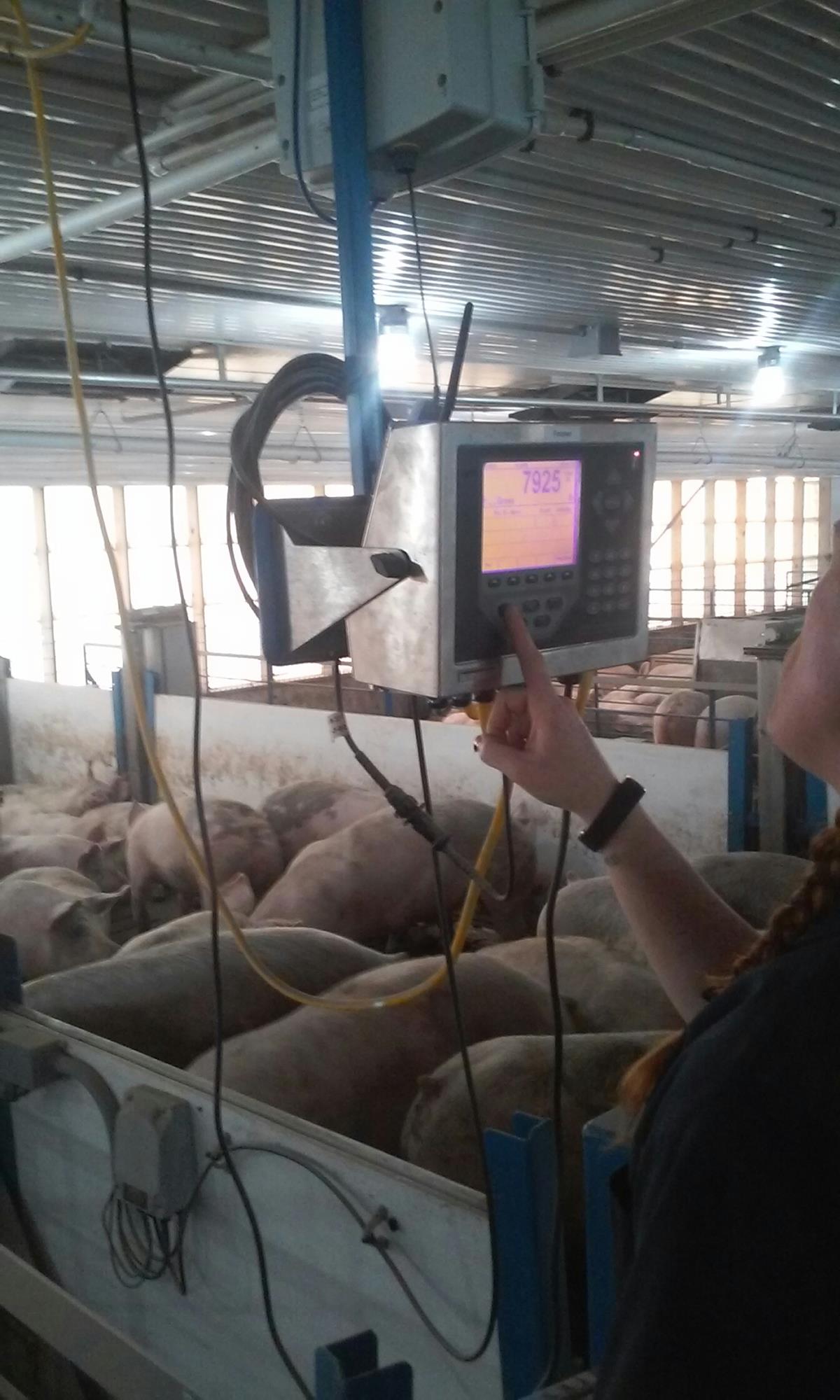
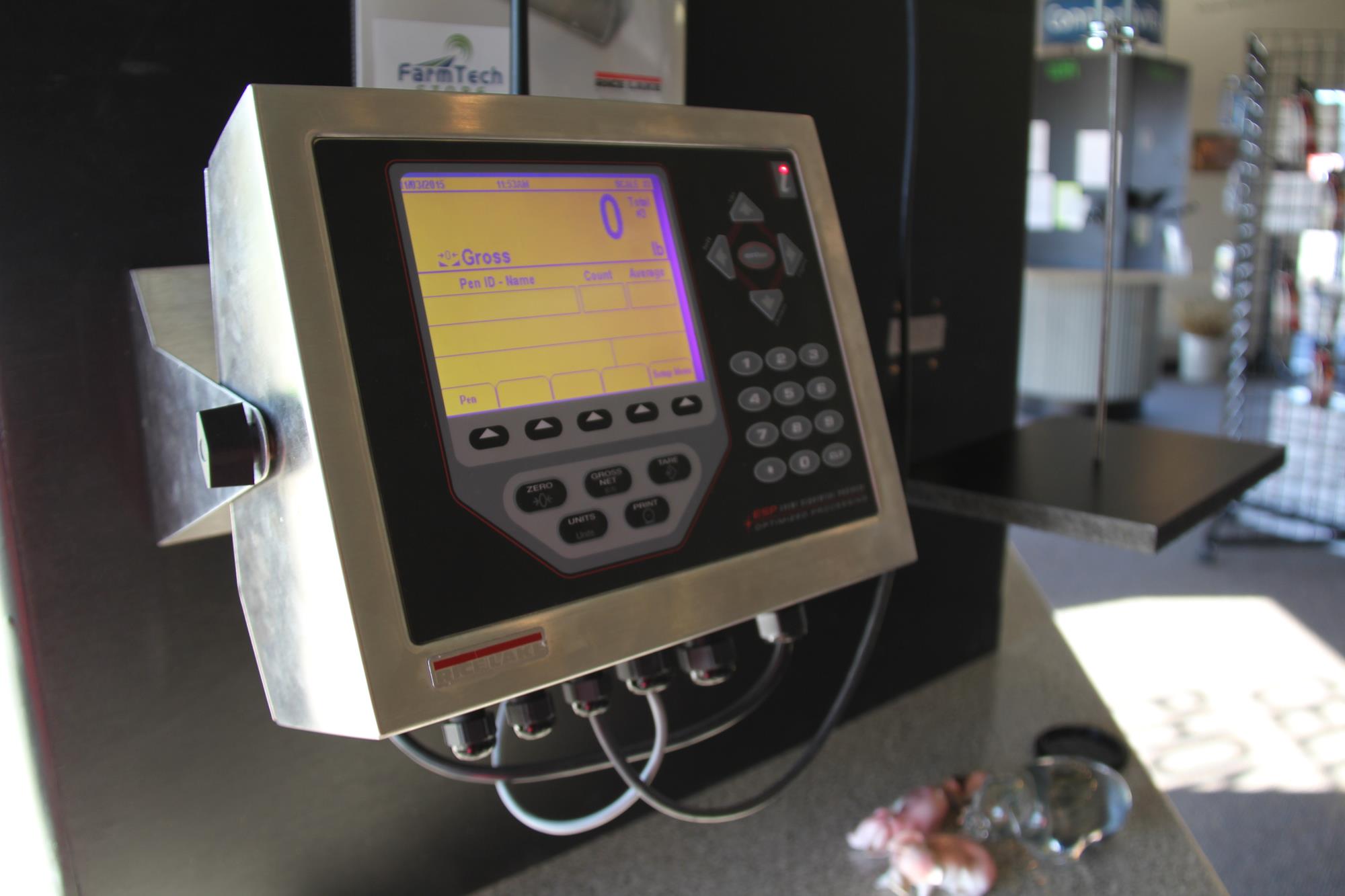
Founded in 2001, Feedlogic is a pioneer in the development of intelligent feeding and farm monitoring solutions that can provide producers real-time monitoring and management of their farming operations. The company offers a series of products that combine patented hardware and software to measure production processes and execute more precisely. By connecting agriculture to the Internet of Things, Feedlogic is able to develop new solutions to the challenges of farming where none previously existed.
The Future for the Internet of Things
The Internet of Things is a popular term used to describe an environment where physical things, equipped with sensors, wirelessly transfer data over a network without any human interference. Everything from vehicles, medical devices, coffee machines and even cows either are or will be able to speak to each other as one connected unit.
For the agriculture industry, the Internet of Things is revolutionizing the industry and helping close the gap between need and resources. Where farmers were once able to intuitively know and make decisions about their land just by touch and feel, technology today has the potential to mimic this knowledge and take it one step further. Sensors in soil and on farming equipment can transfer high-level data, ultimately optimizing water utilization and improving overall crop yields. Sensors in feed hoppers can alert distributors when levels are low—creating better and more efficient use-feed manufacturing, logistics and purchasing. Feedlogic is using the Internet of Things to create not necessarily artificial intelligence, but agricultural intelligence.
The path to smart farming begins with accessible, definable data sources. This can be derived from the nutrient value of soil, the breeding cycle of animals, the weather patterns during the harvest season or the moisture percentages in a feed hopper, among many other applications. From there, farmers can create a linear data model with simple equations and minor variables. For example, animal feed conversion over a set amount of time in various locations. Based on that data, patterns can be evaluated and trends forecasted. Add in multiple equations and variables, and farmers are able to produce a machine-learning model of forecasting. From there, smart farming achieves its highest pinnacle—an adaptive learning model. Complex problems and variables from multiple sources are used to analyze, forecast and then adopt agricultural systems.