Construction Industry is at an All Time High
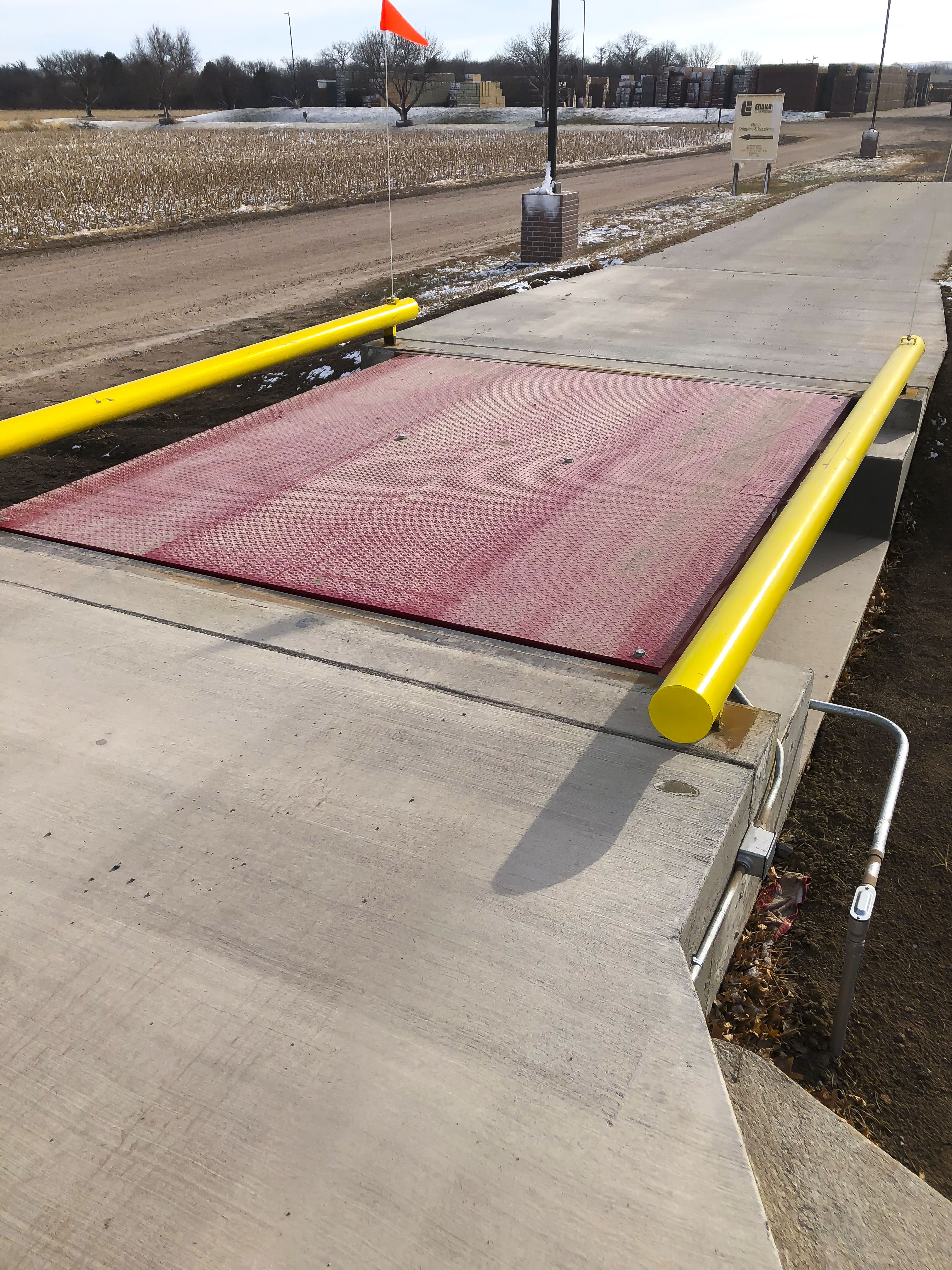
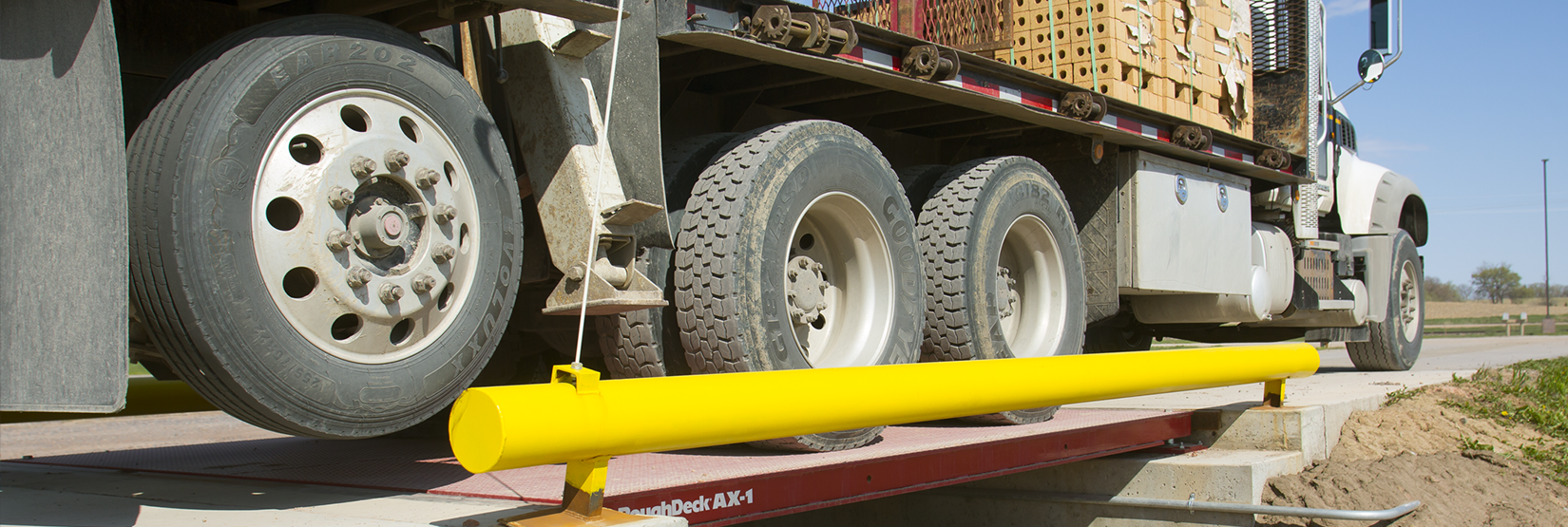
The 2021 construction boom was sudden and unexpected, resulting in material scarcity and greatly increased costs. It remains to be seen how high the crest can rise or how long it will last but inevitably, the craze will subside. While Endicott Brick has seen countless peaks and valleys come and go over the past 100+ years, they are not in the business of anything temporary. Endicott manufactures the highest quality of brick products, built to last for generations and never go out of style. When the company decided to upgrade their 40-year-old mechanical axle scale in 2020, they chose a solution that mirrors their own durable products—Rice Lake’s RoughDeck AX-1 axle scale.
Founded in 1920, Endicott Brick is logically headquartered in Endicott, Nebraska. The company specializes in architectural brick—primarily utilized by schools, churches, businesses, high-rises and stadiums across North America. Their prestigious sports clients include the Atlanta Braves (Truist Park), University of Minnesota Golden Gophers (TCF Bank Stadium), Indianapolis Colts (Lucas Oil Stadium), Green Bay Packers (Lambeau Field) and just about every other team playing in a classic-style brick residence.
Endicott's unmatched brick quality is a result of uncompromising dedication to excellence as well as their unique geographic location. Positioned on land rich with clay, Endicott owns and operates four mines —allowing them to secure brick’s main ingredient themselves. Not only is the clay deposit plentiful, but “The clay has a natural ironspot color, which is usually the preferred aesthetic for most architects and designers” explains Russ Slater, mining supervisor for Endicott Brick.
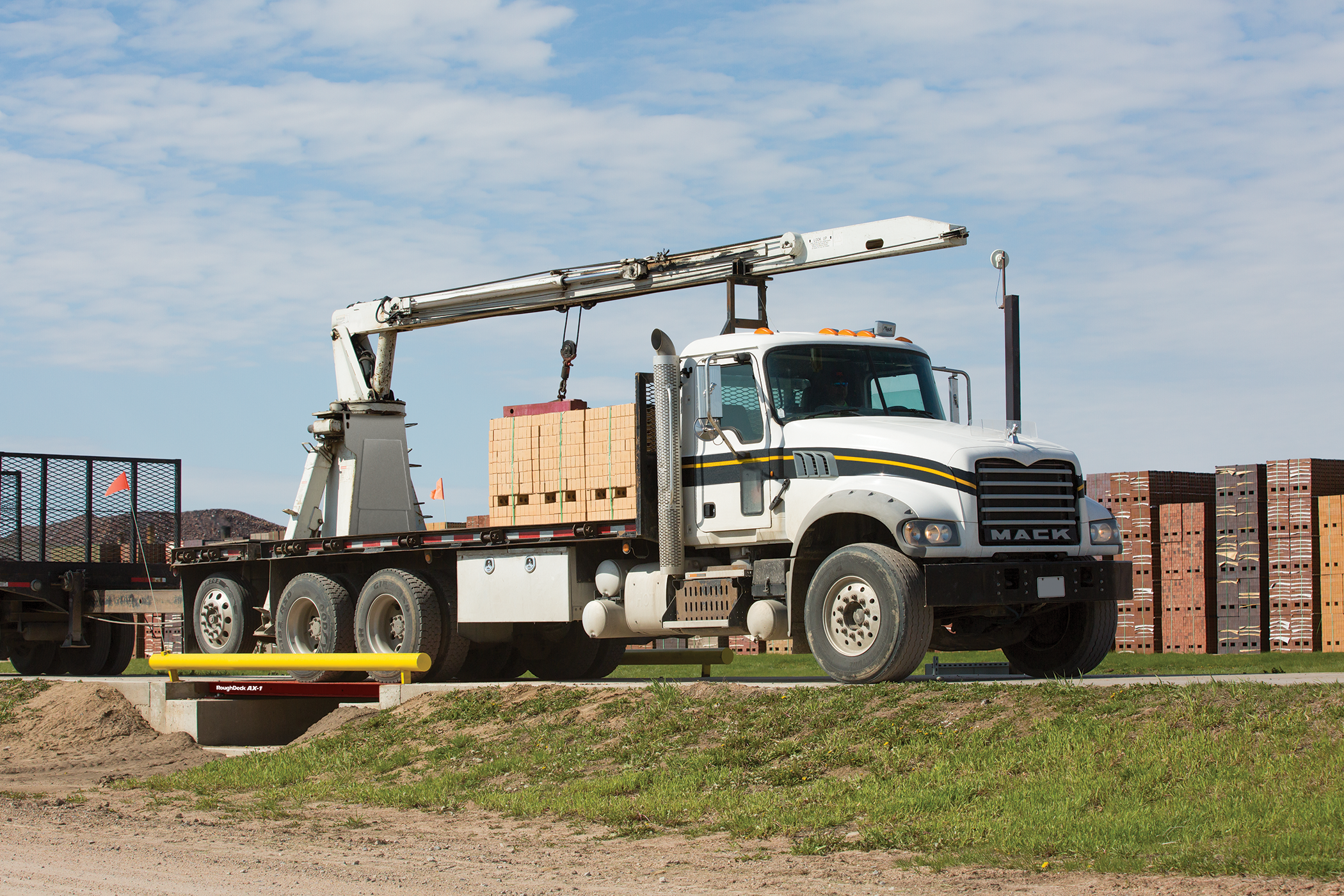
After it is mined, clay enters Endicott’s hammer mill, which grinds it into a fine and consistent powder. Next, a pugmill forms and shapes the material which is cut to size before entering a dryer for approximately two days. During this time, any remaining moisture is removed. Once complete, bricks are fired at 2,200°F to complete the manufacturing process. Before leaving the factory, bricks are strapped to pallets and loaded onto flatbed trucks. However, it is sometimes challenging to optimize truckloads that are close to, but do not exceed, the 80,000-pound highway weight limit. This was becoming increasingly difficult due to an aging mechanical axle scale that had far exceeded its prime.