

How Are Hazelnuts Dried and Processed?
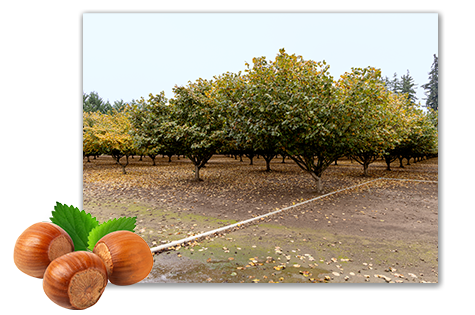
Oregon produces 99% of the United States’ annual hazelnut harvest. Without hazelnuts, we would miss out on classic spreads, chocolates, snacks and more. Oregon’s large production is a necessity, but it requires many smaller businesses to process and dry the collected hazelnuts. Mid Valley Ag Dryers in Brooks, Oregon, is one of the family-owned businesses that dries hazelnuts each harvest season.
Hazelnut harvesting is typically done after the nuts have fallen off the trees in the orchards. But during collection, leaves, twigs, dirt and other debris are also collected and need to be removed. So, farmers partner with dryers to remove debris, clean and dry the harvest. Properly drying hazelnuts also reduces the risk of mold and extends the shelf life before they are crafted into delectable treats.
For six to eight weeks every fall, Mid Valley Ag Dryers processes 10 to 12 million pounds of hazelnuts and sends them to George Packing Company. The hazelnuts are then distributed and sold worldwide—used for everything from candies and spreads, to pastes and baking ingredients.
What Is a Hopper Scale?
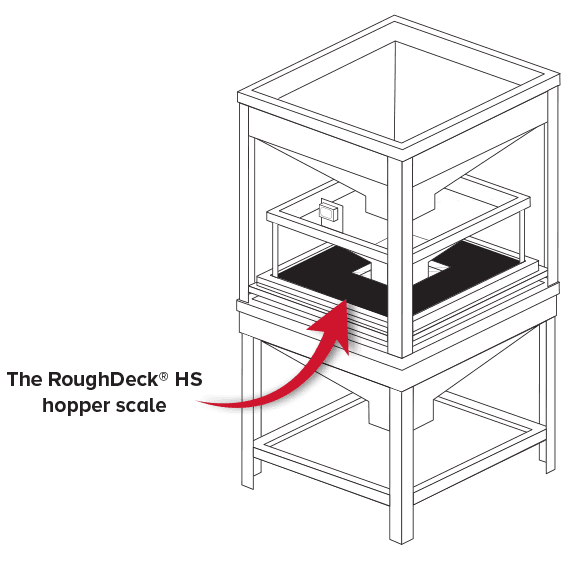
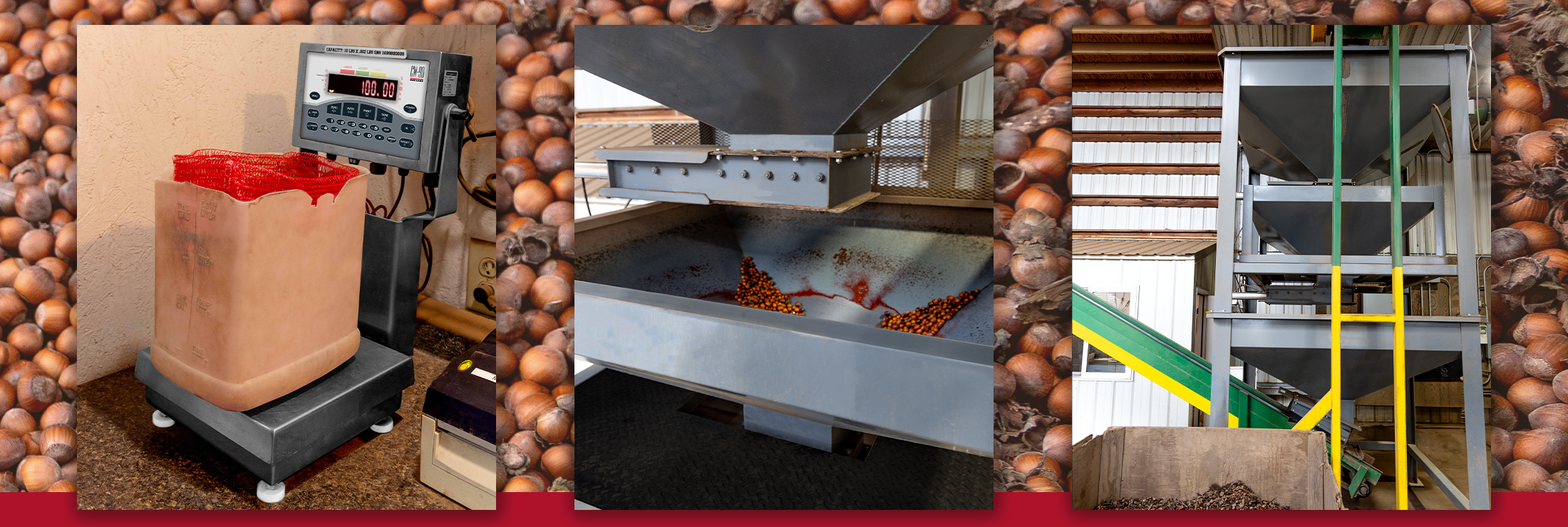
A hopper scale measures bulk materials as they’re processed through industrial systems to batch and track products, including hazelnuts. Systems can be modified to weigh bulk materials by adding weighing equipment beneath the point where the load is supported. Typically, this is done in one of two ways:
- Adding weigh modules to a structure, such as beneath vessel legs or between existing framework.
- Adding a custom platform directly underneath the material or container being weighed.
Challenge |
|
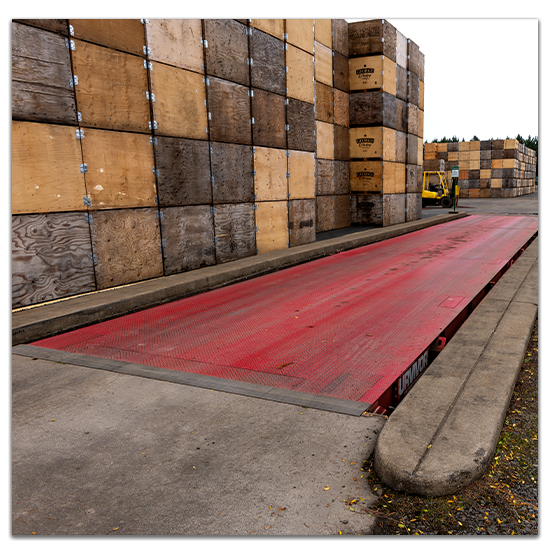
Mid Valley Ag Dryers in Brooks, Oregon, needed to track the millions of pounds of hazelnuts processed each year. |
Solution |
|
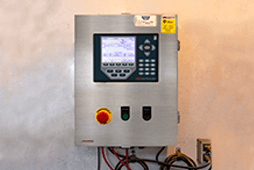
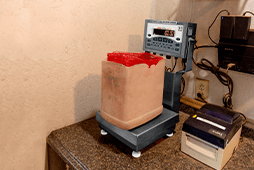
Installing a custom RoughDeck hopper scale, CW-90 checkweigher and 920i® FlexWeigh batching system to process hazelnuts. |