


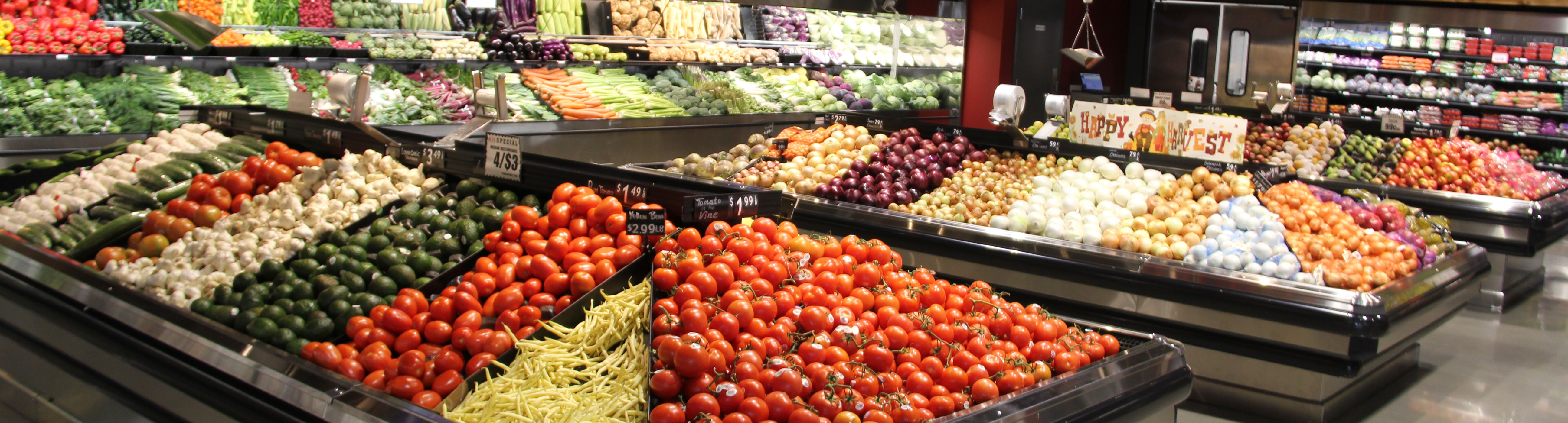
KD Market is dedicated to fresh, beautiful food. Faced with hot or cold, prepared, prepped or grill-ready ethnic food specialties, customers shop the glass case-lined perimeter of KD Market for Eastern European cuisine. Not available elsewhere with this level of quality or variety, KD Market offers Polish, Russian and German regional delicacies as well as American fare. Excellence carries through to the scales, as well. In KD Market’s newest store, Chicago POS Systems installed Ishida Uni-9 scales to reduce pricing errors, enable easier pricing updates and display sophisticated product marketing.
Located in Mt. Prospect, Illinois, KD Market is one of four stores of its kind. Three other KD Market predecessors are located in the greater Chicago area, but this newest store is the grocery chain’s crowning achievement. Born out of KD Market’s popularity as well as a desire to fulfill customers’ growing appetite for culinary adventures, the market exceeds customer expectations for old-world quality. Along with a full, convenient selection of grocery staples, it also provides a contemporary shopping ambiance that consumers associate with the finer things in life.
Proactively building resilience to market share loss that grocers experience due to growing online grocery competition, KD Market plays its strengths to secure customer loyalty. When grocery stores lose business to online ordering, it is usually due to dry goods sales. It is easier to order oatmeal or almonds online than it is to order milk or lettuce. The natural edge KD Market has over giant dry-goods distributors is its focus on fresh foods. It combats competition by replacing portions of the inner-store, where dry and canned goods are typically shelved, with fresh foods. This expansive, fresh-perimeter approach to store layout has a direct effect on customer perception of the facility and on sales. With a full view of fresh food from every vantage point, customers feel assured they will eat well from this store, so they return—sometimes more than once per day!
When highly perishable products move into the center store, it is critical that inventory turns fast enough to avoid the threat of shrink biting into those hard-won, labor intensive profit margins. In retail, profit margin performance is not only managed for the entire store, but also by department, category and individual SKU. Each SKU, no matter how insignificant compared to the overall sum of tens of thousands of store SKUs and their achieved margins, contributes to overall store margin performance.

