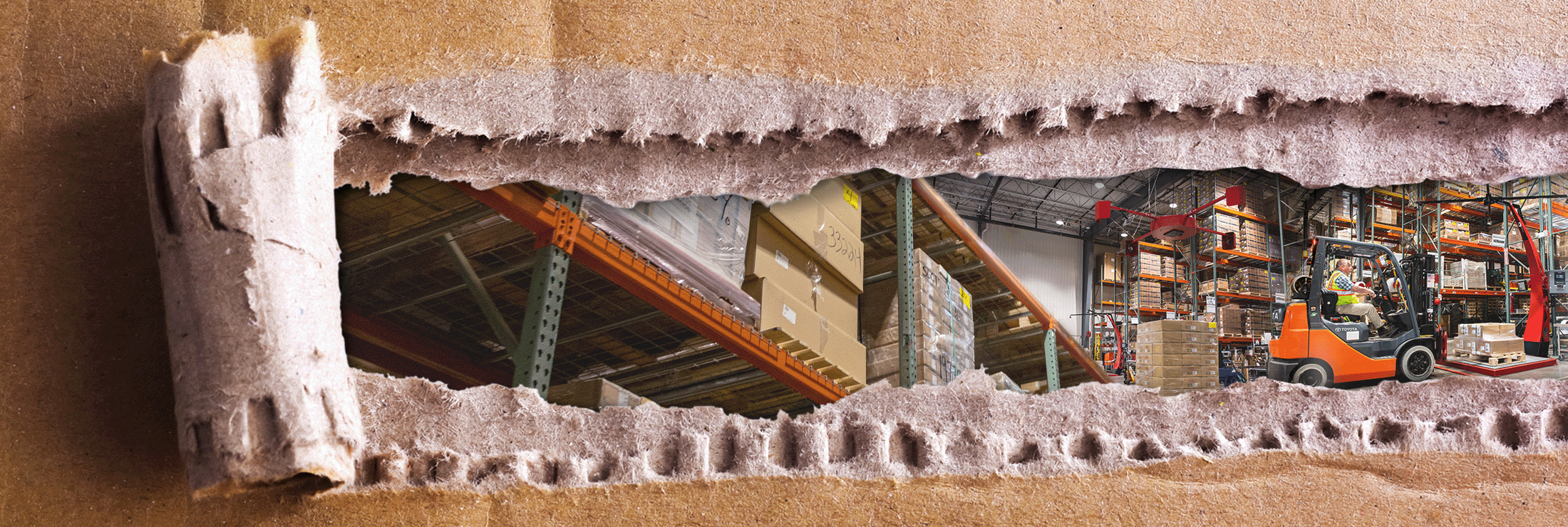
Warehouse Dimensioning Systems Reduce Unused Space
Without dimensioning, warehouses may not accurately predict space requirements, which could translate into underutilized space. Dimensioners pair with warehouse management systems (WMS) to streamline data entry and optimize storage. Because dimensioners automatically update applicable data into the WMS, departments can view reliable, real-time data on item location, dimensional weight, shipping details, stock and more.
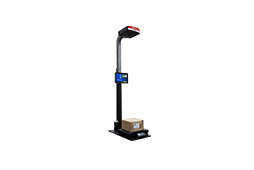
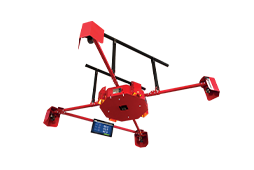
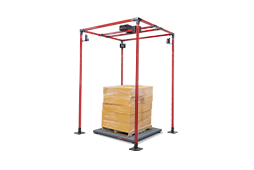
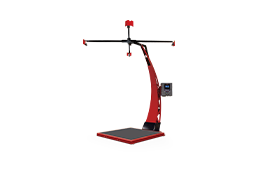
Dimensioning systems are available in multiple configurations and models to accommodate various logistics department needs. Some parcel dimensioners allow the dimensioning head to be integrated above a conveyor or workstation, such as a table top. Freight dimensioners may be ceiling-mounted, enabling greater access to the dimensioning area by forklifts or pallet trucks.

Automated Dimensioners Improve Operational Efficiency
Depending on the facility, thousands of parcels can be processed in a single workday. This makes initial measurements essential, or items may need to be reprocessed. Calculating dimensional weight by hand can be difficult, especially for irregularly shaped items. Automatic dimensioners expedite processes by capturing dimensional weight in a fraction of a second.
Without the need to manually measure each pallet or parcel, stocking can be performed quicker, trucks can be processed faster and shipping departments can process significantly more in less time. Furthermore, employees can utilize their time more effectively. Without the time-consuming task of manual measurements, employees can be more efficient, worry less about incorrect data entry and focus their efforts on other tasks.
Accurate dimensional data also enables operators to strategically load pallets and trucks. This can minimize the need for multiple trailers and pallets or new storage areas. It will also streamline loading and unloading processes, preventing delays and ensuring items are packed securely.