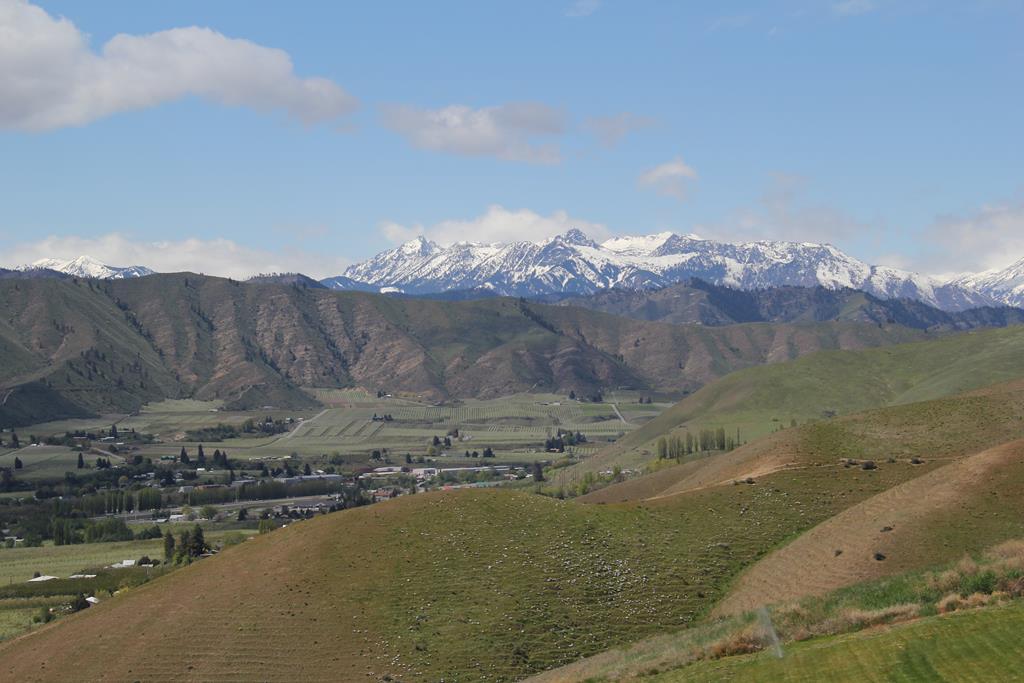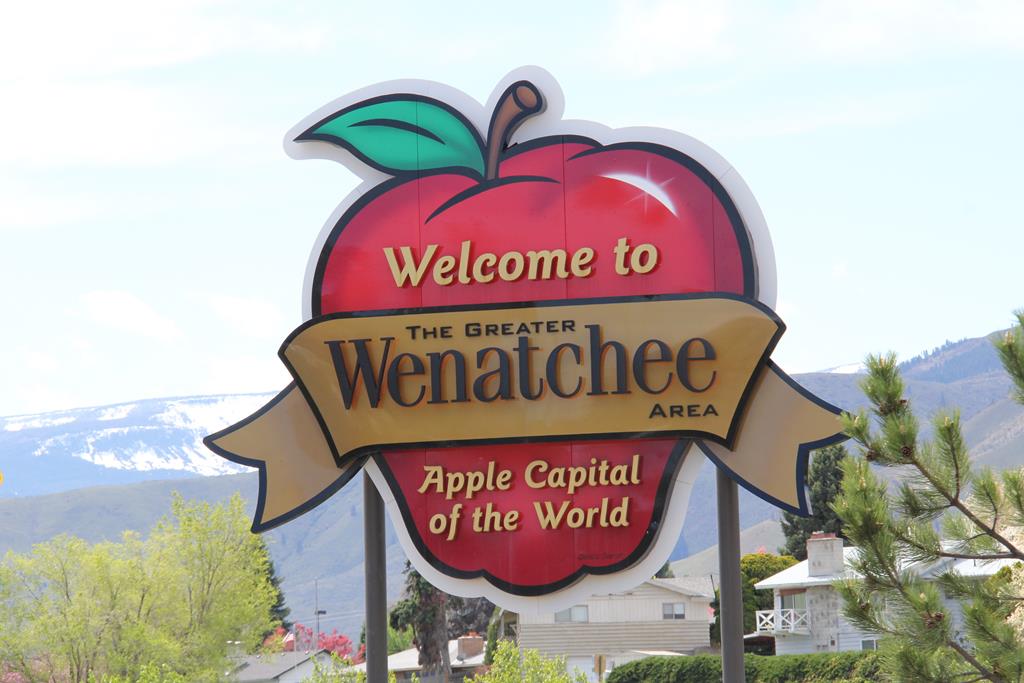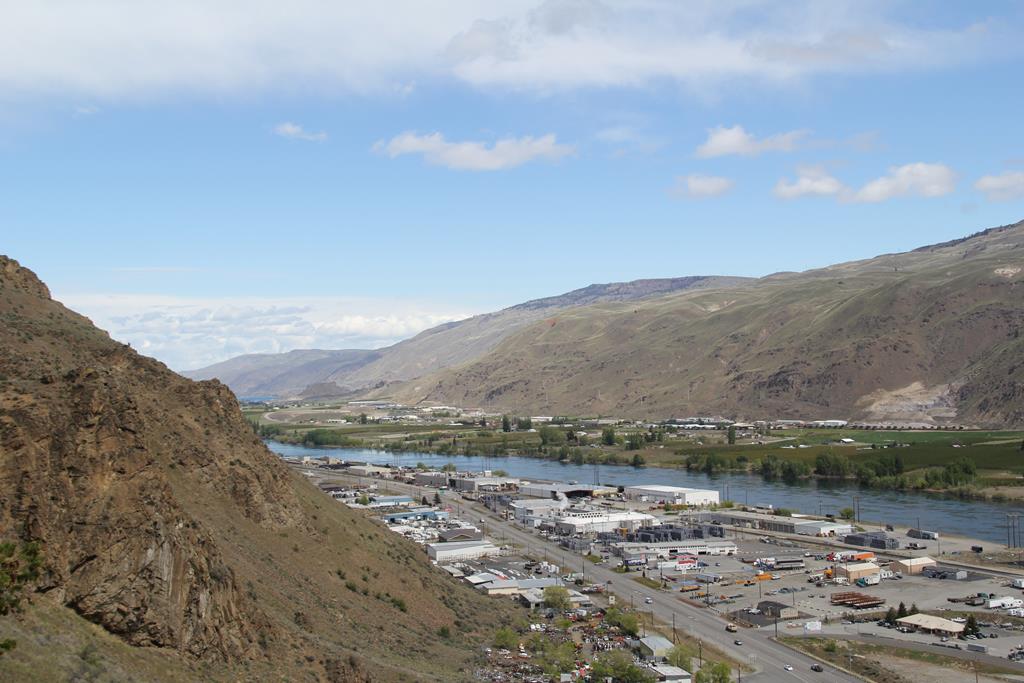
There is something special about Wenatchee, Washington. The Columbia River rushes like a vein through the charming small town, cutting an impressive valley into the surrounding snow-capped mountains. The sudden elevation change and abundant fresh water results in unique conditions that are perfect for agriculture. In this industry, as in real estate, it’s all about one thing: location, location, location. A family owned fruit company in this valley has reaped the rewards of this exceptional environment to grow world famous apples, cherries, and pears since 1964. From picking to packing, their fruit is measured, sorted, and weighed by a variety of Rice Lake scales, providing the weighments needed to keep the operation running smoothly.
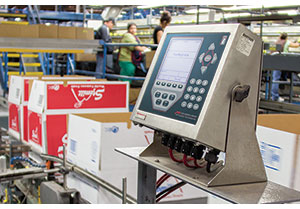
Nick Arness is a full-time scale technician for this company, Stemilt Growers LLC. One look at any of their three facilities confirms the need for a permanent scaleman. At every turn, 920i® digital weight indicators, IQ plus® 2100 bench scales, CW-90X checkweighers, and custom fabricated in-motion checkweighers sprinkle the production floor. It’s like an enormous sports team taking the field: each member contributing to the end goal of delivering fast, highly precise weighments.
Stemilt harvests fruit from its own orchards, but also intakes nearby farms’ fruit into their production lines. “Those growers usually know what their crop weighs before they drop it off ,” Nick explains. “They’re weighing it out in the field and they demand that we have excellent equipment so they get paid for what they’ve worked so hard to produce. They come here because we have the best equipment and they get exactly what they have earned.”
The facility employs hundreds of 920i digital weight indicators to control multiple processes, which are different for each type of fruit. When an apple is first received, it is cooled, sorted, and pre-sized until it can be processed. Pre-sized apples are then loaded into bins, which have a tare weight stored in the indicator. The 920i scale indicator automates the process and stores data in Stemilt’s elaborate database, which assigns the weighments to the appropriate grower.
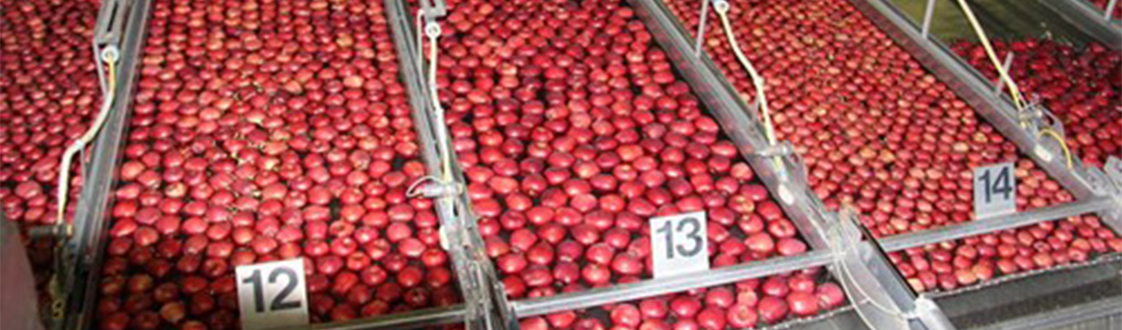
After initial weighment, apples travel through a series of elevated waterways which zig-zag past machinery and around corners. Watching the buoyant fruit take this joyride is like watching speedy gondolas navigate the canals of Venice, Italy. The apples pass through automatic color sorters, which use a high-speed imaging system to analyze the color and compare it to a standard for each variety. The color sorters assign a value to the apple so similarly colored apples can be grouped together and distributed as necessary into various packaging options. Apples which don’t meet minimum color requirements are typically used for juice or sauce while the upper echelon are kept in whole form.