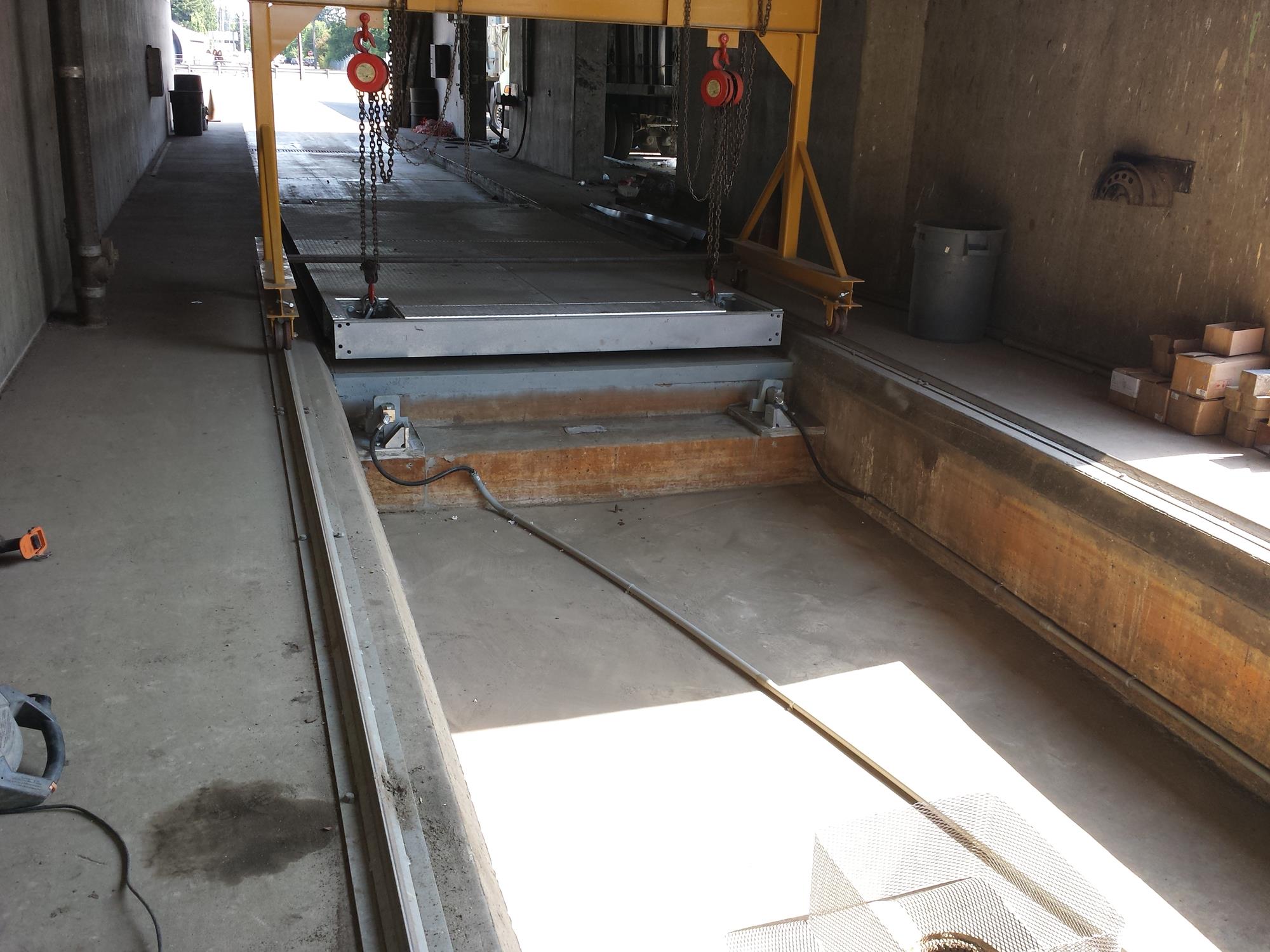


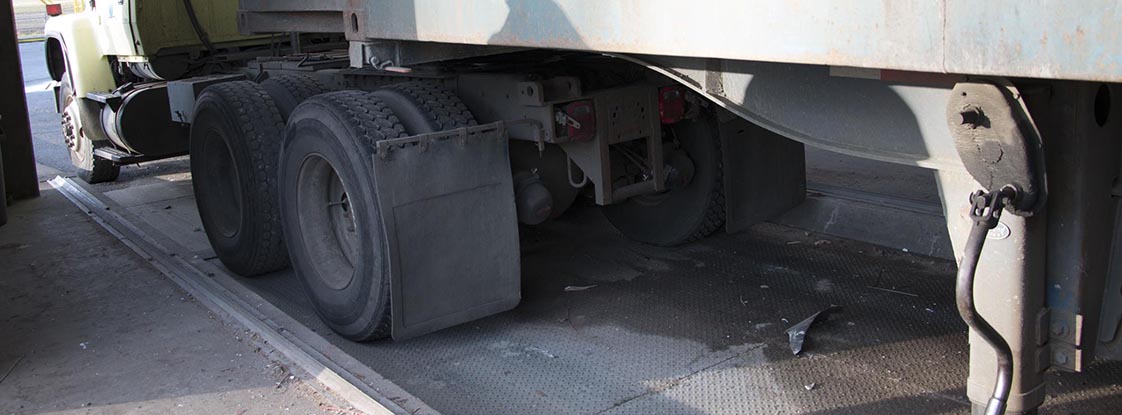
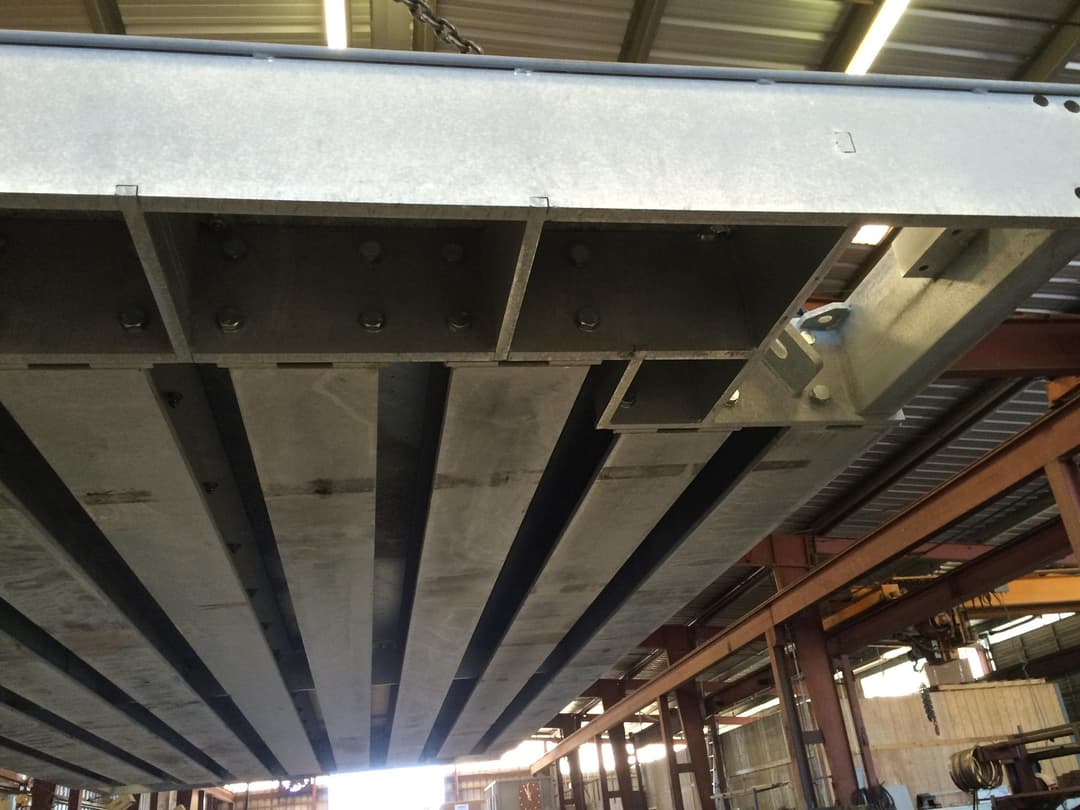
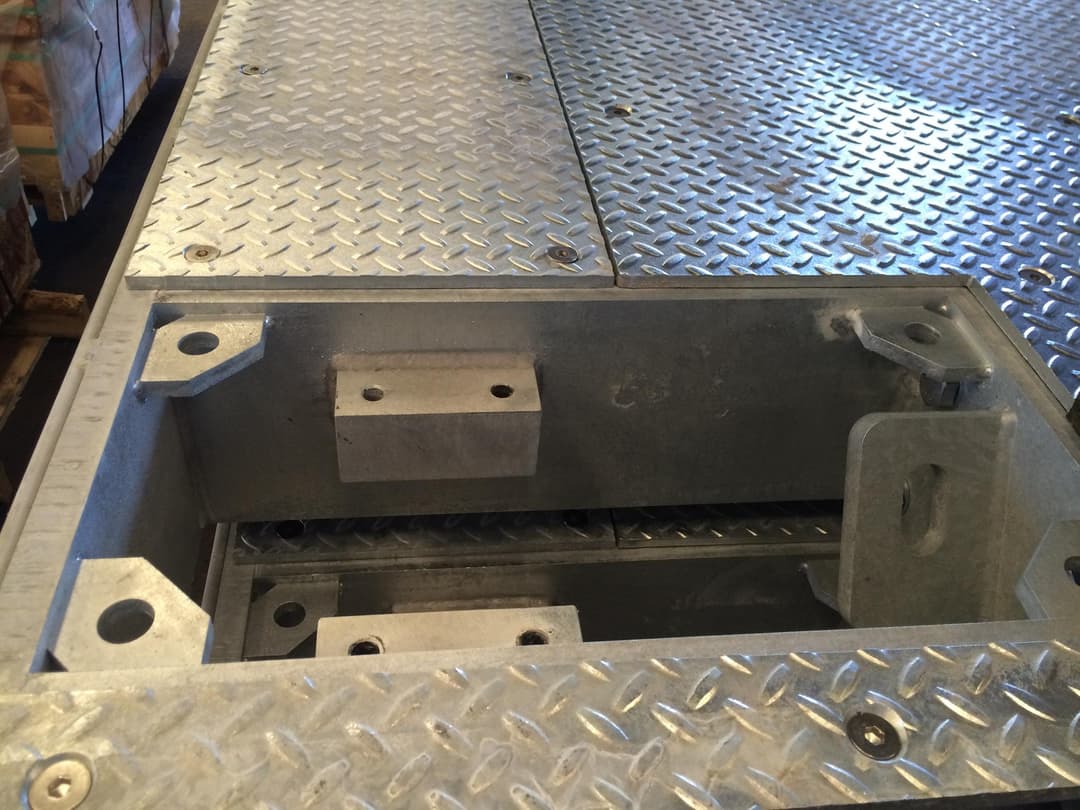
OTR truck scales in similar environments typically feature beefy I-beams and a thick deck plate, which this model proudly incorporates—and takes one step further. The entire truck scale, including cover plates and load cell stands, are hot-dipped galvanized.
Galvanization is a special process that bonds molten zinc to steel, forming layers of armored alloy which shield the material from corrosion. Invented in India in the fourth century, galvanization was first used in the construction of the Iron Pillar of Delhi, which still stands today—nearly 1,700 years later. The process has dramatically evolved over the centuries.
Rudimentary galvanic paint was traditionally used to fortify metal until hot-dip galvanization was invented in 1742, revolutionizing the process by immersing metal in molten zinc to create a uniform coating. In 1772, Luigi Galvani made another technological leap forward. While performing scientific experiments on frog cadavers, he discovered that electricity creates unusual results. First observing a simple muscle twitch in frog legs when electricity is applied, Galvani broadened his experiments to ultimately discover the electrochemical process that occurs between metals. In 1836, modern hot-dip galvanization was patented, and named after Galvani.
First, metal is cleaned with sulfuric acid and fluxed with ammonium chloride before being coated in liquid zinc at a temperature of 840 degrees Fahrenheit. This creates a strong, long-lasting bond between the metal and zinc, and completely insulates the metal from contact with the surrounding environment.
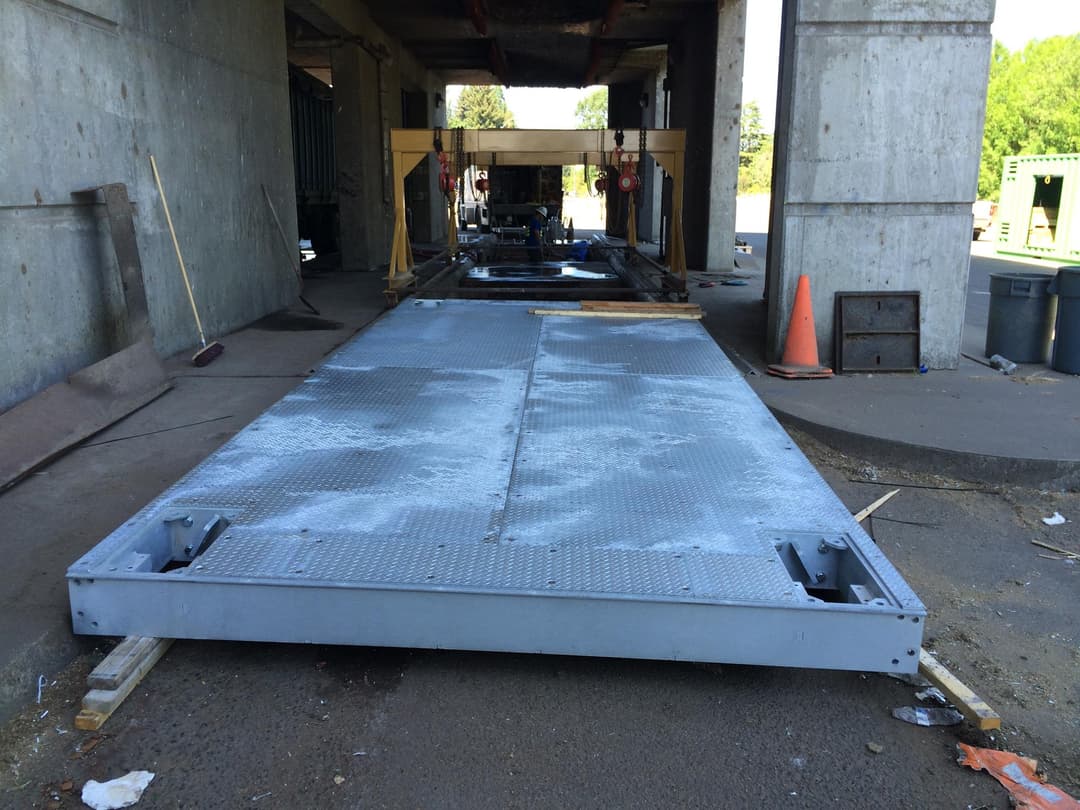
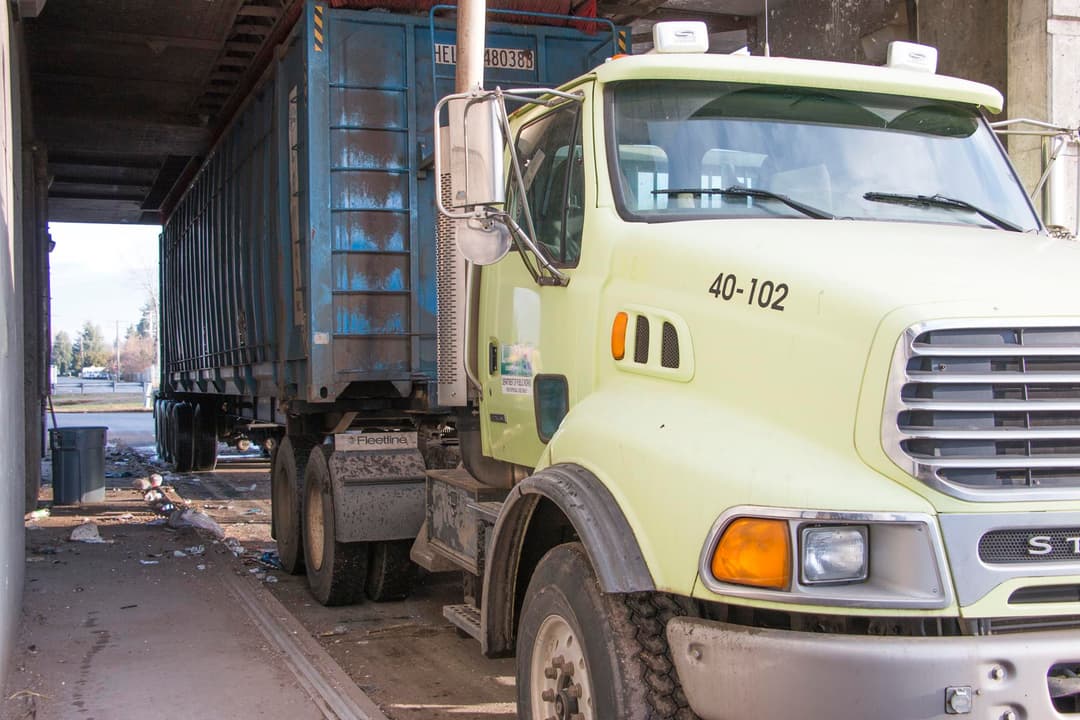
Before the galvanized OTR was installed, the Lewis County solid waste department was using a competitor's 20-year-old steel deck truck scale which had finally succumbed to the slow, steady march of time. Solid waste is a difficult material to handle, and Lewis County's equipment is expected to endure the test.
Collecting from both residential and business customers, the county has no way of knowing the contents of each garbage can or dumpster—and people throw away some pretty strange things. Usually, they’re completely harmless; however, processing miscellaneous objects such as propane tanks, concrete highway dividers or objects containing chemicals can cause tremendous wear and tear on equipment. Heavy items create damaging collisions when loaded and transferred; combustible objects can explode; and chemicals from batteries, almost-empty household cleaning containers and everything in-between mix together for an acid-like cocktail (called “leachate”) to attack equipment.
With no protective coating, the old scale was consumed by rust. Erratic readings and component lockups were becoming more frequent. It was time for an upgrade. To better serve the county, a scale designed for this environment, and to fit the existing foundation, was needed. Lewis County called Steve Orr, president and sales manager of Scales Northwest.
Working with Steve and everyone at Scales Northwest was amazing,” says Steve Skinner, solid waste manager for Lewis County. “I’ve worked with other scale companies in the past, and Scales Northwest really knows the business inside and out. They were very professional and took care of all the measurements to make sure the scale fit our foundation. Ultimately, when the scale was installed, it fit perfectly.” Before installation, however, another integral component to extend the scale’s lifespan was put in place: a gantry system to move the scale platform for routine cleanout.