A HIGH-TECH KENTUCKY DISTILLERY UTILIZES A VARIETY OF RICE LAKE PRODUCTS HELP PRODUCE AND TRACK BOURBON THROUGH A UNIQUE TIME-SAVING PROCESS.
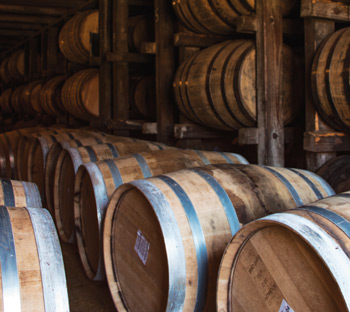
We are in the middle of a bourbon boom. A spirit that struggled mightily for relevance a few decades ago, bourbon is now experiencing a massive renaissance of popularity. Many distilleries cannot keep up with current demand due to the lengthy aging process required to make quality bourbon. Depending on the category of bourbon being produced (standard, straight or bonded), bourbon takes various time frames to age: as short as a moment for standard bourbon, a minimum of two years for straight bourbon or a minimum of four years for bonded bourbon. While these are requirements mandated by federal law, many bourbons are actually aged much longer—some for longer than 20 years!
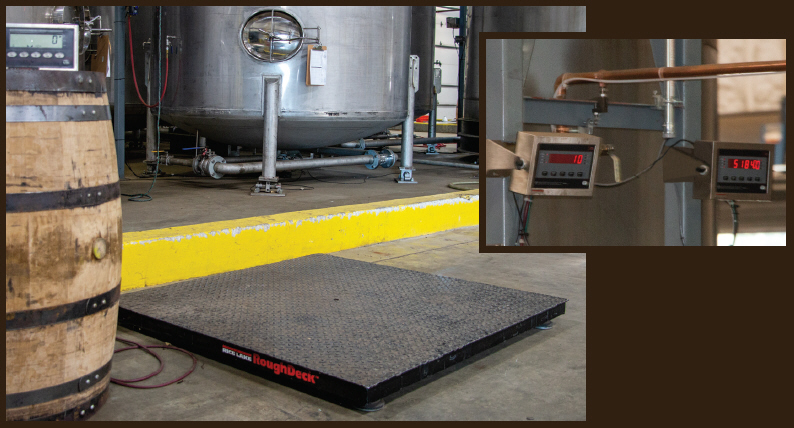
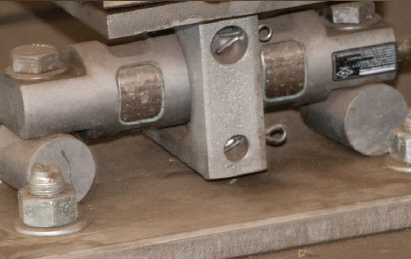
This makes it extremely difficult for distilleries to predict market demand and set aside enough product to satisfy customers. However, O.Z. Tyler Distillery in Owensboro, Kentucky, has solved this problem. They utilize a patented rapid-filtration process to create the same flavors attributed to multi-year aged bourbon in a fraction of the time. With the help of Rice Lake Weighing Systems’ products at various steps in the process, O.Z. Tyler is able to fill the need for quality bourbon without devoting multiple years to aging.
Their cutting-edge process was created by Orville Zelotes Tyler, a brilliant chemist and inventor. Mr. Tyler was responsible for several well-known products, including the coating used on the interior of aluminum cans to shield liquid from aluminum’s toxins and metallic taste; indoor/outdoor carpeting; washable wallpaper and outdoor latex paint. During his retirement, Mr. Tyler took his talents to the world of whiskey.
A fan of Scotch, Mr. Tyler began exploring why it took over a decade for his preferred brand, Macallan 12, to age properly. He learned years of barrel-aging changed Scotch by allowing it to move in and out of the wood. This process slowly filters away unwanted minor alcohols such as isopropanol (which has a harsh taste), leaving behind more pleasant notes of vanilla, caramel and fruits.
If a method could be developed to accomplish the same reaction as barrel-aging without the long wait, quality spirits could be created in a fraction of the time. Although he was a retired inventor, Mr. Tyler had an idea for his next innovation.
He experimented with ways to force unwanted minor alcohols to react with the fatty acids naturally present in whiskey. This would simulate years of interaction with an oak barrel. After several trials and errors, Mr. Tyler discovered a method of using ultrasonic energy to agitate the molecules (similar to the technology used in jewelry cleaners), forcing them to interact with fatty acids and transform into esters: the same chemical result that would take years to achieve in an oak barrel!