1. Multi-range Weighing
A weighing range is the spectrum from zero to maximum capacity. Postal scales should have both multi-range and multi-interval weighing capabilities to help with increased resolution. This is especially beneficial when weighing both light and heavy items on the same scale, or using a container to hold items as they are weighed.
2. Compatible with Shipping Software
Shipping scale software compatible with major carriers such as UPS® and FedEx® will help you make logistics decisions to save time and money. Being able to compare rates can reduce the risk of additional fees from carriers.
3. Shipping Scale Tops
You should consider what kind of platform is needed on your shipping scale. A roller top platform easily rolls heavier packages on and off the scale in two directions, while a ball top is multidirectional and can send a heavy package in any direction.
4. Pairs with Dimensioning Products
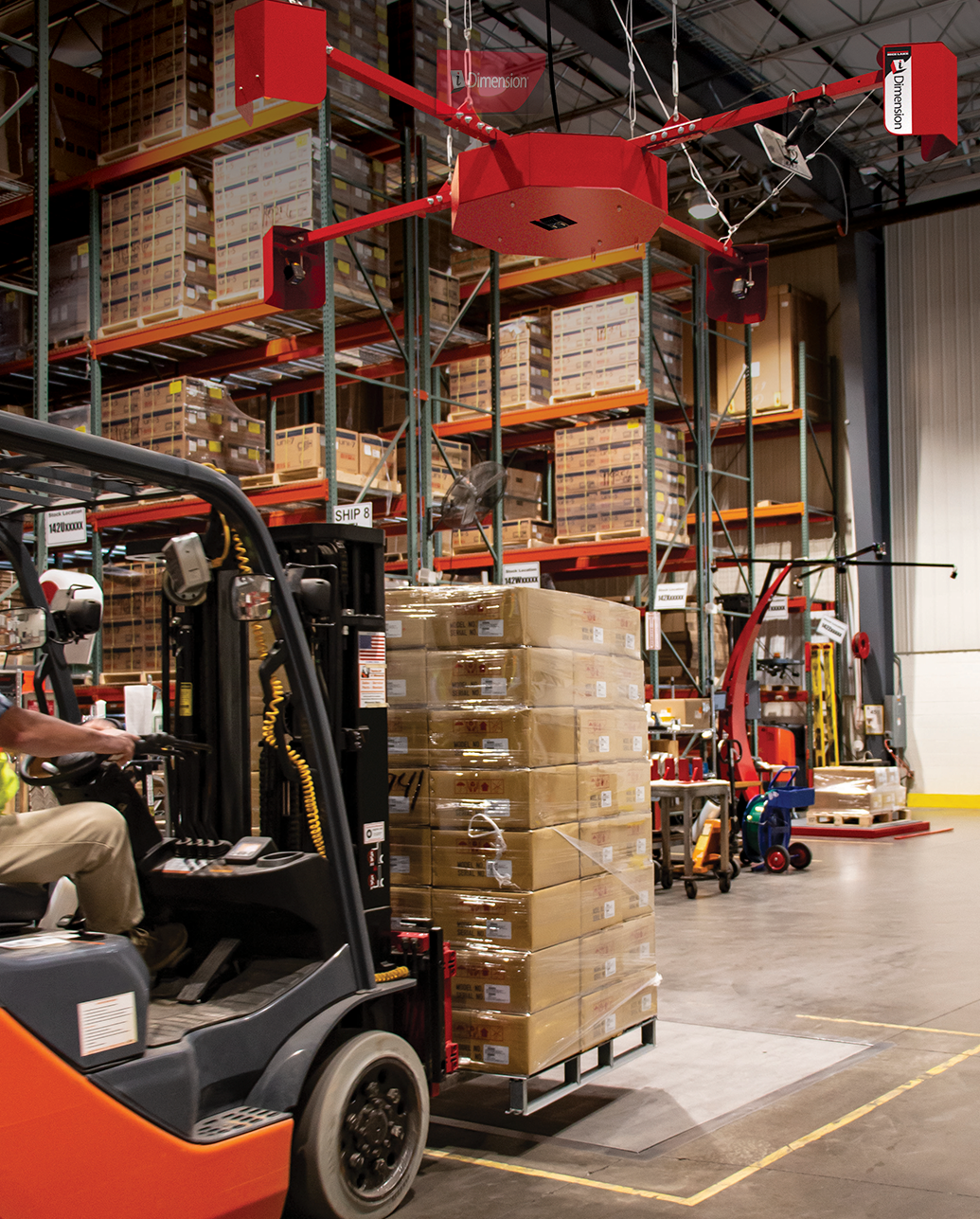
A postal or shipping scale should easily connect with dimensioning systems. Dimensioners ensure compliance with carrier regulations while deterring revenue loss that can result from miscalculated dimensions. An accurate dimensioner paired with a postal or shipping scale can weigh and dimension a package at the same time.
5. Resistant Two-way Display
A postal or shipping scale with scratch-resistant, tempered glass display will withstand the impact of accidentally dropped packages, making it ideal for a fast-paced environment. Add a customer-facing display to allow multiple people to view weight at the same time.
6. Communicate with Other Devices
Selecting a postal or shipping scale with a communication port can ensure that your scale will connect with other devices—such as a printer or PC—to access weight data.