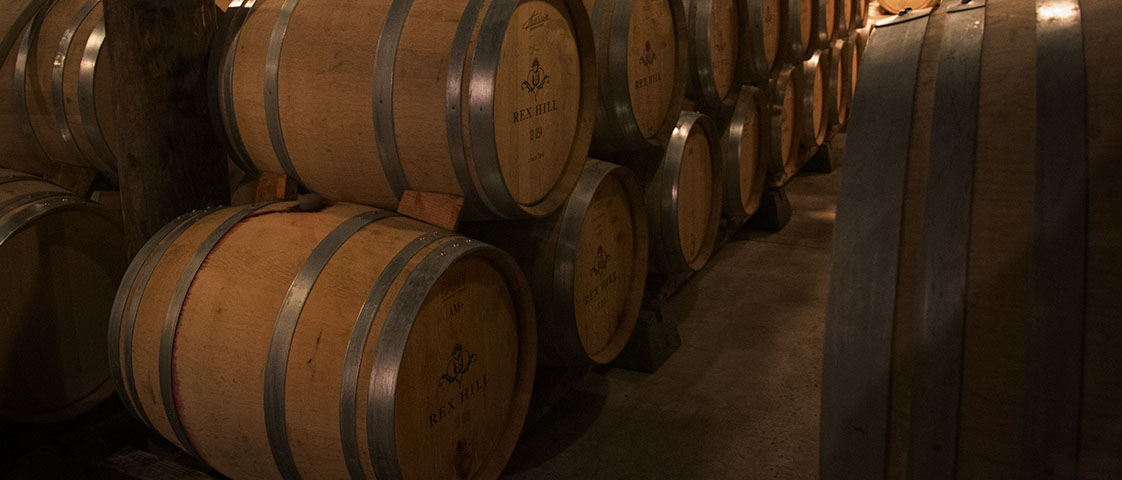
The demand for high-quality Pinot Noir can be traced back to the first century, when Ancient Romans began making the unique wine. News of this innovation traveled through the grapevine to gradually gain worldwide recognition. However, it was difficult to produce.
Challenges seem to present themselves at each stage of the Pinot process. The grapes are not only difficult to grow, but they also bruise easily and must be skillfully picked, handled and transported. Then, the fruit ferments so furiously that the process can accelerate out of control and erupt like a delicious volcano, ruining an entire batch. Even after it’s bottled, problems persist: The wine can lose its color, aroma and acid balance. Pinot Noir may be the holy grail of wine, but it can also be a problem child.
It was long thought that only the Burgundy region of France could produce consistently great Pinot Noir. The mild climate, ocean breezes, ideal soil conditions and sunward-facing slopes were perfect for growing Pinot grapes. In the late 20th century, however, a relative newcomer burst onto the winemaking scene. The Willamette Valley of Oregon began producing Pinot comparable, if not better, than the famed Burgundy region. The two areas share many of the same characteristics: Pleasant temperatures, soil composition, rolling hills and even ocean proximity. They also sit along the 45th Parallel, a contour that is home to some of the world's greatest wineries.
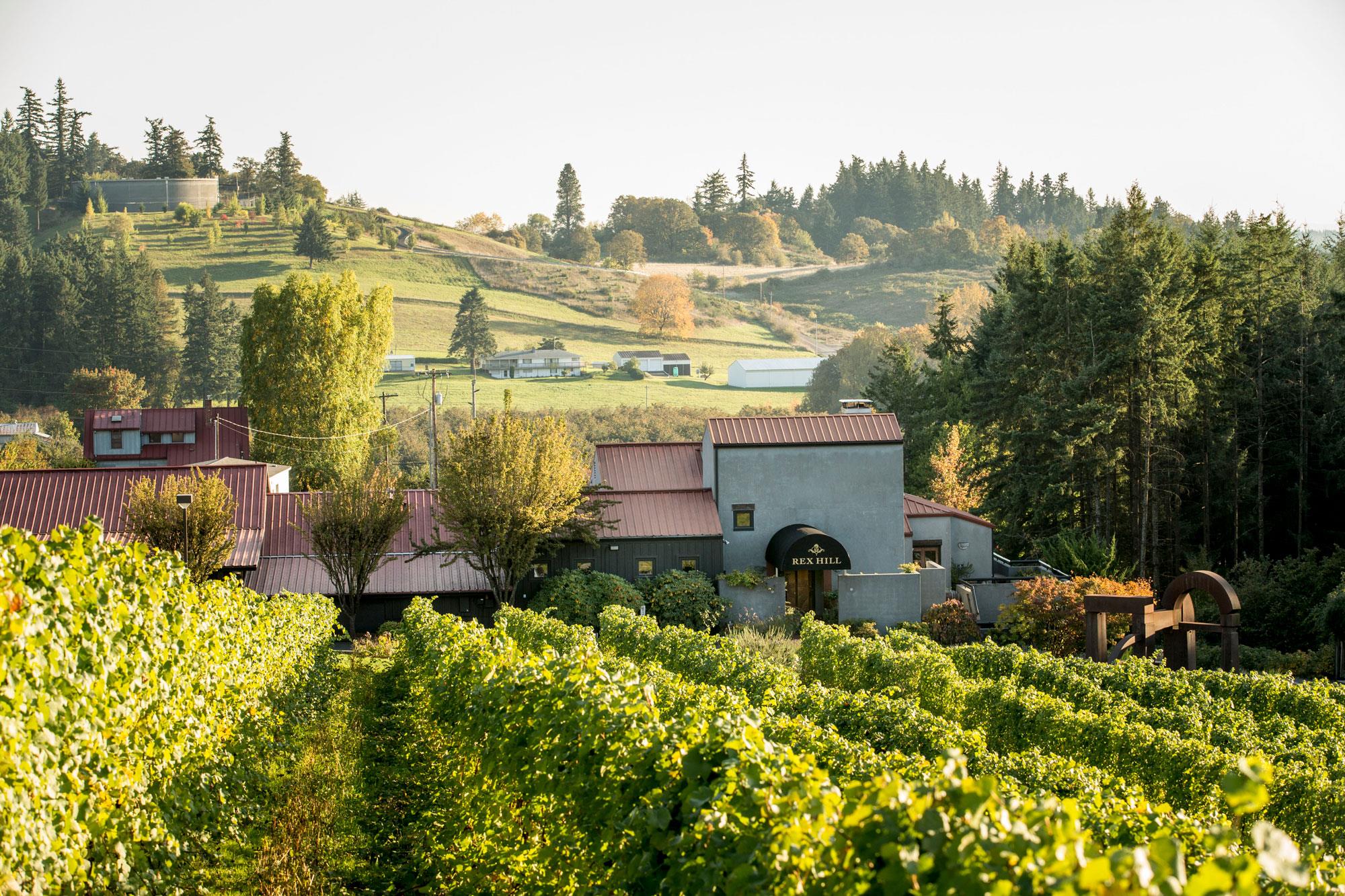
In 2002, Deb Hatcher, Bill Hatcher, Sam Tannahill and Cheryl Francis founded A to Z Wineworks. The mission of these two married couples was to not only produce a pristine Pinot, but offer it at an affordable price—something that had never been done previously. Unlike many other Oregon wineries, A to Z would source its fruit from vineyards across the state. This would allow them to make adjustments to each year’s vintage based on variable characteristics of that growing season. If vineyard A received a large amount of rain and vineyard B was unusually dry, the ratio of grapes used from these vineyards could be altered to match previous seasons’ successful recipes. Leveraging more than 100 different vineyards, the end result is a consistency that represents the best of the state (and serves as the company’s slogan): The Essence of Oregon®.