


The Importance of Dimensional Weight
Most companies that ship products, regardless of size, routinely use large shipping carriers, such as FedEx®, UPS® and DHL®. To accurately reflect billable weight, carriers determine shipment pricing based on either dimensional weight or actual weight—whichever is greater.
Dimensional weight shows the package’s density, which is the amount of space the package utilizes in relation to its weight. To determine dim weight, a package’s length, width and height are multiplied, resulting in its cubic size, and then divided by 166 for domestic or 139 for international shipments.
When small items are shipped in large packages, carriers can charge for dimensional weights. To minimize costs, shippers need to properly size packaging, which means measuring dimensional weight. Companies that ship packages without properly calculating dim weight could face chargebacks for miscalculated dimensions or freight compliance issues.
Automated Dimensioning and Weighing Systems
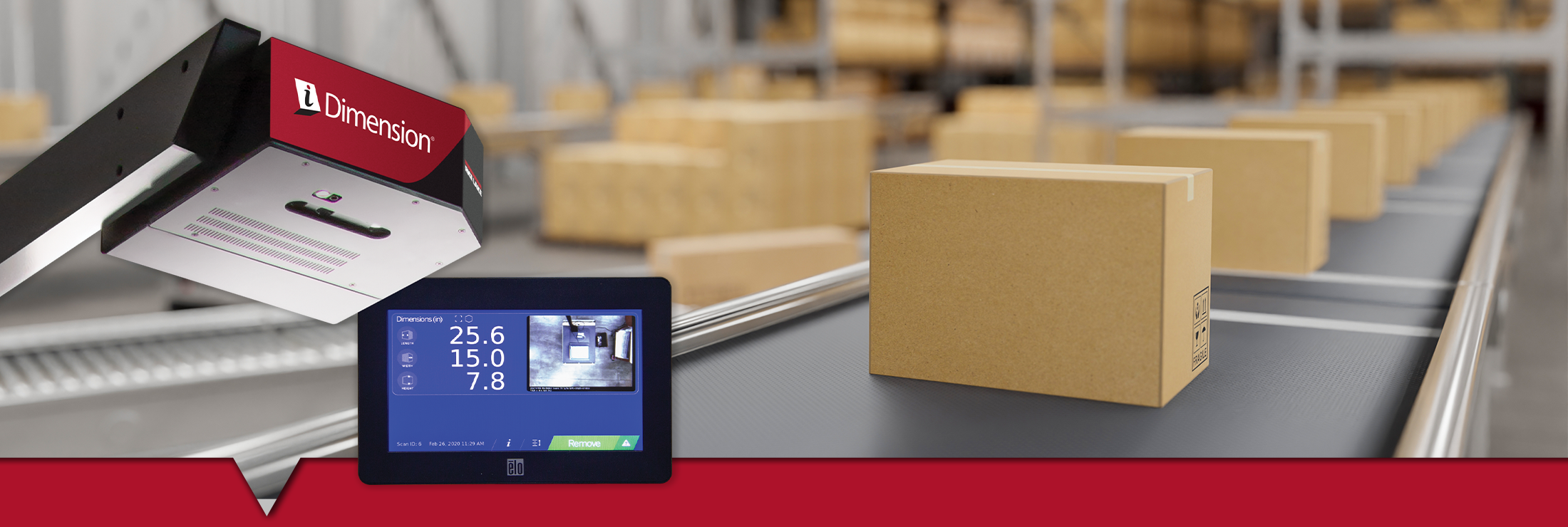
Measuring dimensional weight manually is more time-consuming than obtaining the package’s weight with a conventional shipping or postal scale. It’s also more error-prone for irregularly shaped packages. Instead of risking manual measurements, automatic dimensioners remove the guesswork. Dimensioning technology provides shippers with solutions to efficiently and accurately obtain package dimensions for shipments.
Dimensioning systems use sensing and imaging technologies to calculate dimensional weight. Although dimensioning systems differ in performance and technology, they provide valuable solutions to ensure companies optimize shipping with accurate package dimensions.

Dimensioning Tips

|
Do extensive research. Speak with carriers to determine their dim weight policies. Knowing the shipping requirements now can help deter compliance fees in the future. |
Pick quality packaging materials for strength, durability and reducing empty space when determining |
For operations that ship a wide variety of packages, closely research the maximum package height and widths that a dimensioning system can measure. |
Consider maintenance and support when purchasing a dimensioning system. Ensure a manufacturer provides the needed support. |


