

Choosing A Bench Scale
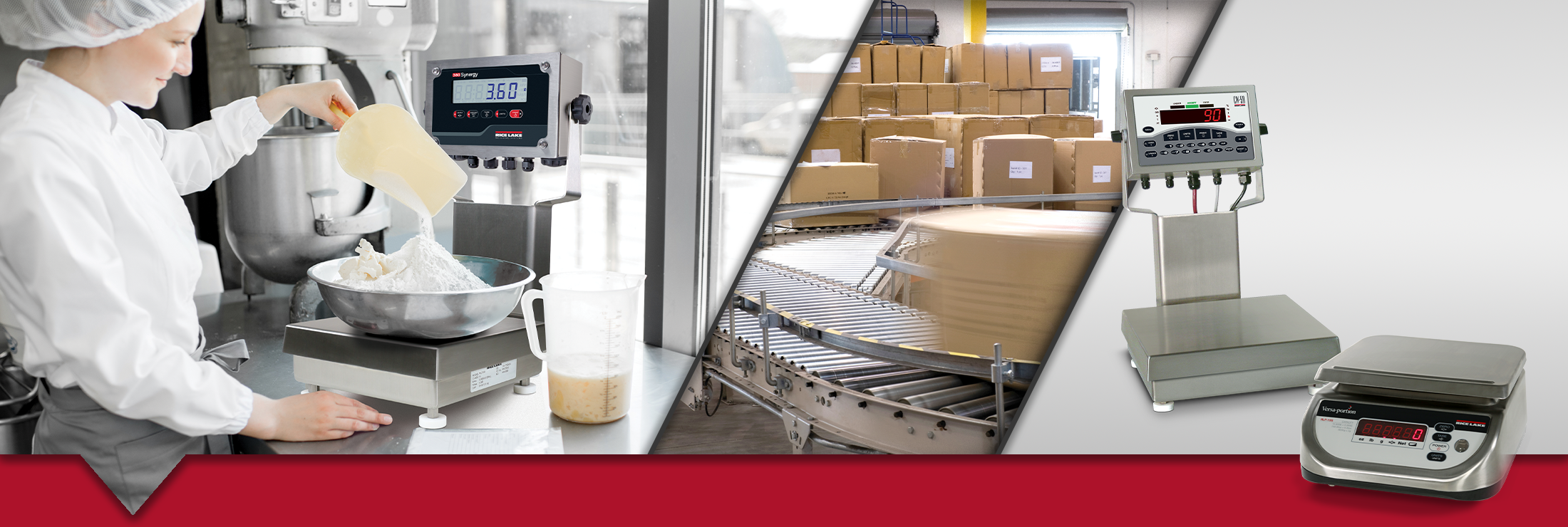
Bench scales are used in various industries, such as shipping and receiving, manufacturing and food processing. Bench scales have a compact footprint, making them ideal for processes with limited space. When selecting a bench scale, consider the following factors:

|
Material |
Type of top |
Capacity |
Size |
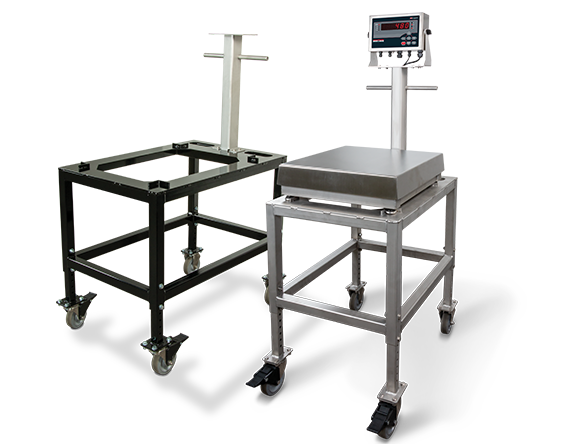
Design accessories |
Industry requirements |
Manufacturer support |

Materials for Food Processing and Washdown Bench Scales
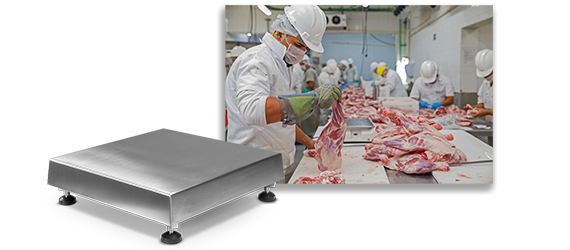
It is essential to ensure bench scale construction is suitable for the environment. Most bench scales are built with either stainless steel or mild steel. Consider a stainless steel bench scale for applications involving corrosive materials or heavy washdowns. Stainless steel operates well in corrosive environments because it does not rust or corrode easily. For less demanding applications, a mild steel bench scale could be a comparable alternative.
Bench Scale Tops
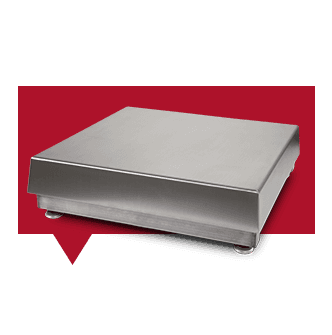
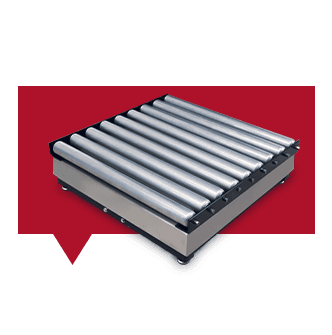
Also consider the bench scale’s top, as bench scales can have flat tops, ball tops or roller tops. A flat-top bench scale is used in many diverse industries for general purposes. A ball-top bench scale has multiple moving cylinders built in for a package to be rolled on or off the scale in any direction. The roller-top bench scale has multiple rollers built into the top, allowing items to move forward or backward along a production line.