


 My Account
Is the website displaying in the correct language? Please confirm or select a different language.
Your region has been set automatically. Please confirm or select a different region.

How to Choose a Bench Scale
Finding a high-quality bench scale can be difficult, depending on the needs of your application. Learn what factors can help you pick the best bench scale for the job.
Choosing A Bench Scale
Bench scales are used in various industries, such as shipping and receiving, manufacturing and food processing. Bench scales have a compact footprint, making them ideal for processes with limited space. When selecting a bench scale, consider the following factors:

|
Material |
Type of top |
Capacity |
Size |
Design accessories |
Industry requirements |
Manufacturer support |

Materials for Food Processing and Washdown Bench Scales
It is essential to ensure bench scale construction is suitable for the environment. Most bench scales are built with either stainless steel or mild steel. Consider a stainless steel bench scale for applications involving corrosive materials or heavy washdowns. Stainless steel operates well in corrosive environments because it does not rust or corrode easily. For less demanding applications, a mild steel bench scale could be a comparable alternative.

Bench Scale Tops
Also consider the bench scale’s top, as bench scales can have flat tops, ball tops or roller tops. A flat-top bench scale is used in many diverse industries for general purposes. A ball-top bench scale has multiple moving cylinders built in for a package to be rolled on or off the scale in any direction. The roller-top bench scale has multiple rollers built into the top, allowing items to move forward or backward along a production line.


Bench Scale Capacities and Sizes
Before choosing a bench scale, evaluate the items being weighed. Measure the dimensions and weights of the smallest and largest items to determine if a single bench scale would have a suitable capacity and size. Multiple scales may be best to manage applications with a range of capacities and sizes. While choosing a bench scale, ensure the scale’s capacity is higher than the heaviest object that will be weighed.
Bench Scale Designs
Bench scales can also feature slightly different designs. The design can impact cleaning and bench scale stability. If the scale is intended for an environment that needs to stay sanitized, designs with continuous welds and removable covers are best for easy cleaning.

Legal for Trade Bench Scales for Industry Requirements
When considering bench scale options, it is important to understand industry regulations. For example, selling goods based on weight requires a Legal for Trade scale, which means the scale’s measurements must be certified. Certification is performed by licensed scale technicians accredited by the region’s government. Additional requirements also often occur for scales used in hazardous environments, as the bench scale must meet safety requirements for potentially explosive conditions.
Bench Scale Accessories
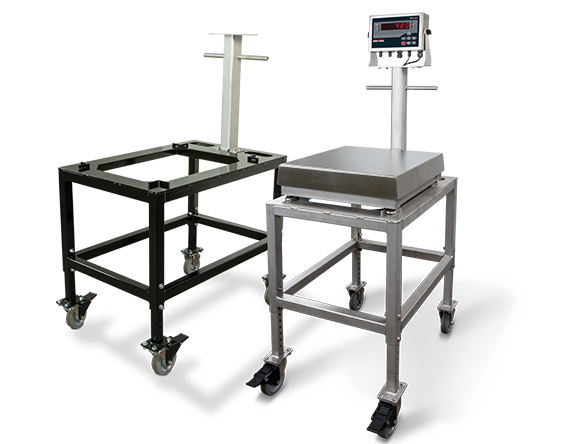
There are many options for scale accessories that can tailor bench scales to an application. Consider factors such as scale mobility or indicator columns. Manufacturers may be able to provide a portable bench scale or a mobile scale cart to securely hold the scale while providing extra mobility. An indicator column holds the associated indicator above the bench scale for easy weight readings.

Manufacturer Support for Bench Scales
Find a manufacturer and local scale dealership that provide support during the selection process, installation, regular calibration and maintenance of the scale. Rice Lake Weighing Systems has in-house scale experts who can assist with product selection. Rice Lake offers a range of bench scales suitable for washdown environments, food processing and more.
Related Products
Related Products
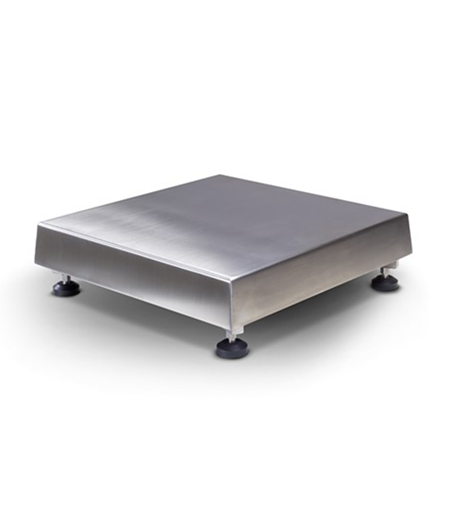
BenchMark® HE-X Hostile Environment Extreme Bench Scale
The BenchMark HE-X is a stainless steel, washdown bench scale with a removeable cover for easy cleaning in highly sanitary environments.
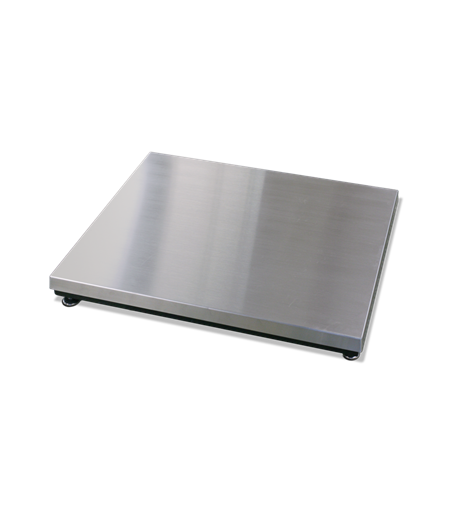
BenchMark® LP Low-profile Bench Scale
The more subtle presence of the BenchMark low-profile bench scale is an attractive option for commercial situations, or other areas in need of a less obtrusive platform.
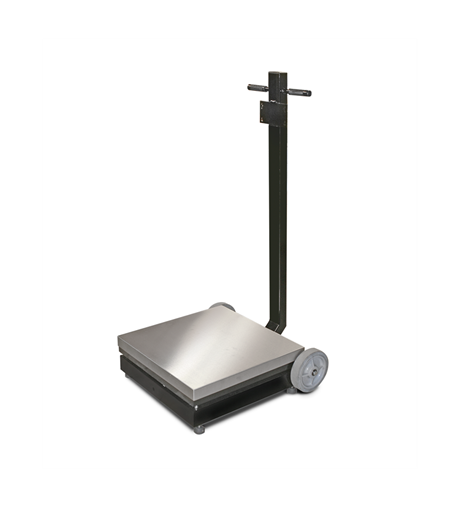
BenchMark® HDP Heavy-duty Portable Scale
Available in several variations and capacities, the BenchMark HDP portable platform scale is an ideal option for many light industrial and commercial applications.