What is the Difference Between Static and Dynamic Checkweighing?
Before choosing a checkweigher, it’s important to understand whether a static or dynamic checkweigher suits your needs.
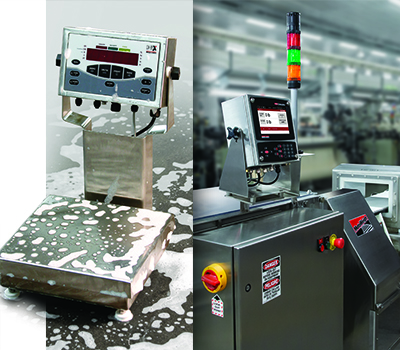
Static checkweighers require hands-on interaction to move product on and off the scale. These are often used for quality control to weigh only a small percentage of products. Static checkweighers have a lower initial cost compared to in-motion checkweighers, and can be used as a portable and/or regular scale when needed.
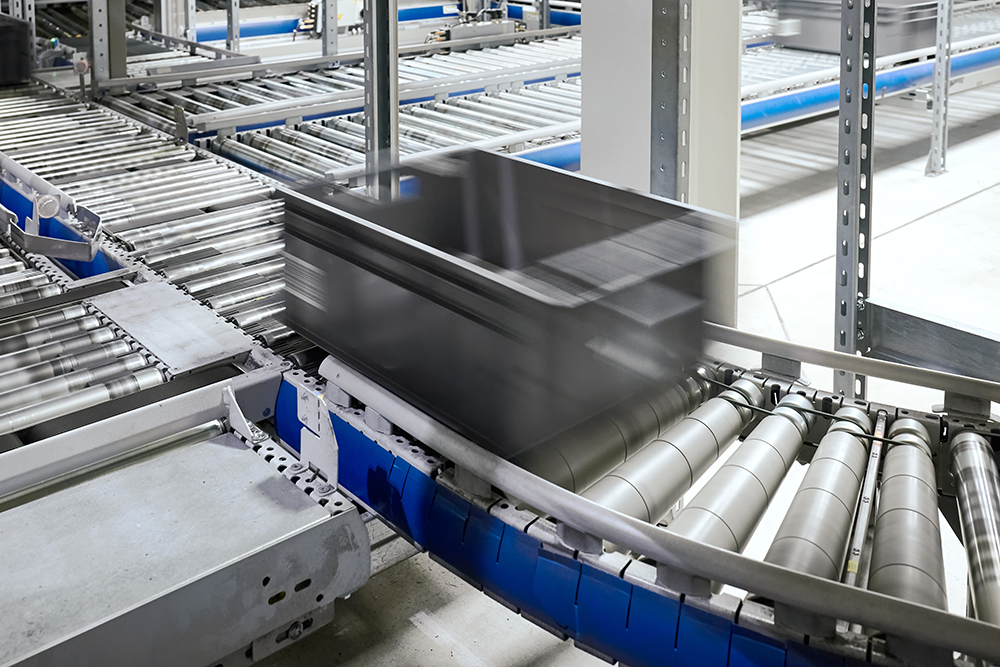
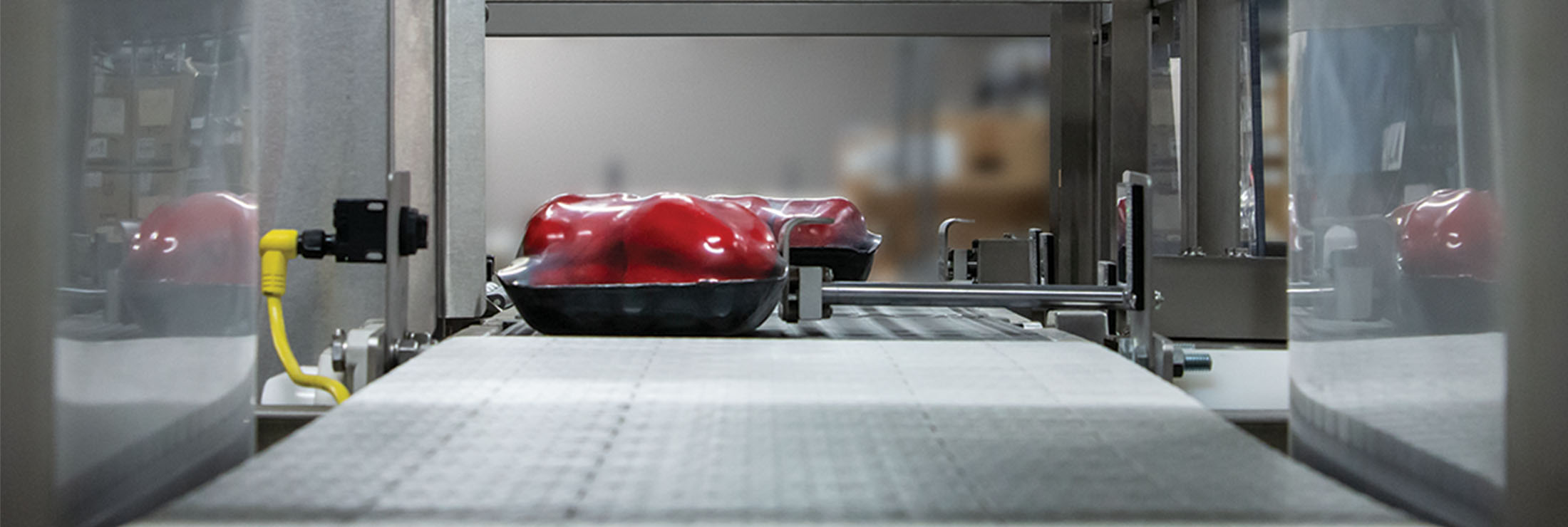
In contrast, in-motion, also known as dynamic, checkweighers automatically weigh products as they move through the production line. These types of checkweighers feature additional options such as custom programming and diverting methods to maintain production rates.
Static Checkweighing
Increases operator time
Minimal maintenance
No process control to service or calibrate
Lower initial cost
In-motion Checkweighing
Decreases operator time
Eliminates manual errors
Automation increases productivity
100% inspection rate
Factors to Consider When Choosing a Checkweigher
It’s important to speak to a scale distributor as you’re defining your checkweighing goals because each application may be different. Think about these factors when deciding the proper solution:
Speed and Efficiency
The type of product being weighed will help determine the type of your checkweigher. Consider the fragility of your products and this will pinpoint the proper handling speed.
Environment
Temperature fluctuations, humidity levels, elevation, air currents, vibration, debris and dust are all environmental factors that may affect your checkweighing process. Take note of your current or hypothetical production line. Ideally, a checkweigher should be seamlessly integrated into your system to ensure maximum efficiency. The prospective checkweigher should also have the ability to communicate with PC software to store product IDs, document transaction data and create reports.
Regulations and Specifications
In some cases, strict government regulations play a significant role in the accuracy, construction and durability of a checkweigher. These could be NTEP certifications, IP ratings or other specifications unique to your facility. Many checkweighers can be customized to meet your requirements, but speak with your scale distributor to discuss regulations and specifics.