


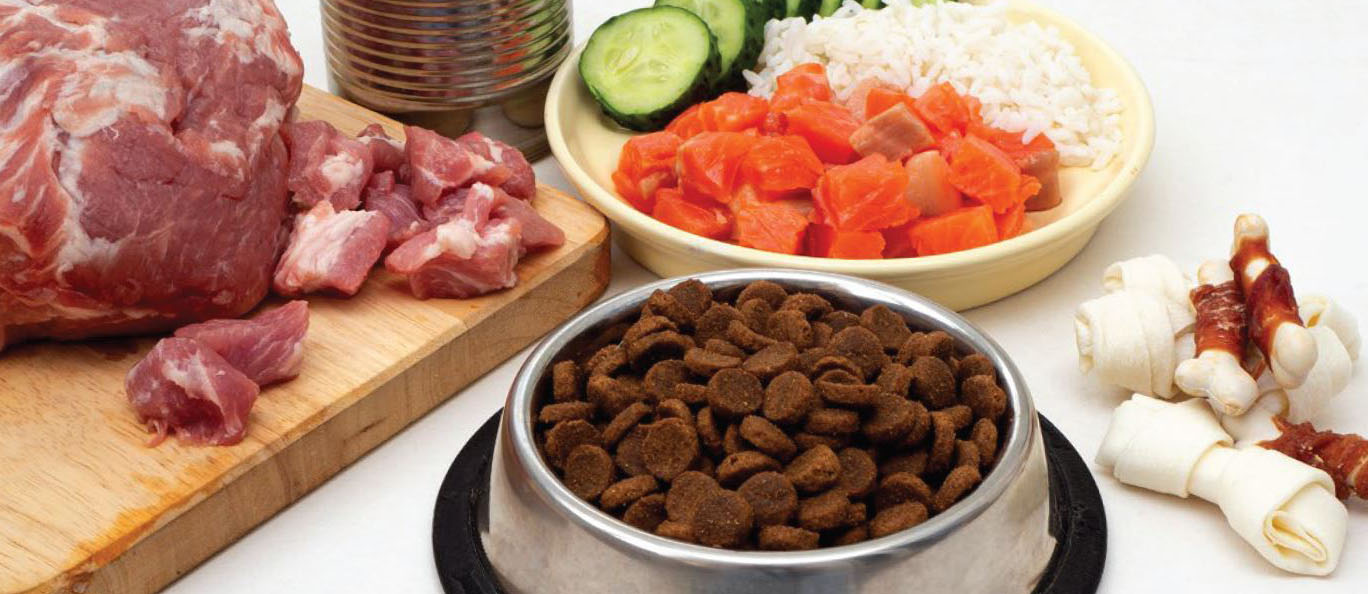
What Is the Food Safety Modernization Act (FSMA)?
The Food Safety Modernization Act (FSMA) ensures all U.S. food supply is safe by preventing on contaminations. Before 2017, this act applied to human food production plants and has since been enforced upon animal food producers. In accordance with FSMA, Preventative Controls for Animal Food (PCAF) and Current Good Manufacturing Practice (CGMP), these manufacturers are required to have a food safety plan to analyze hazards and identify the ones that need risk-based preventive controls, plus an implementation process.
Customers desire properly regulated, safe food, which is also true for their pets, livestock and other animals. Pet food is just as susceptible to dangerous bacteria as human food, which is why processing plants require durable and easy-to-clean equipment to meet customer needs and follow industry best practices.
Sanitary Best Practices for Pet Food Processing
Sanitary equipment is vital to the safe manufacturing of food, just like equipment used in companies that produce food for human consumption. Equipment used in pet food processing should be easily and fully cleaned, sanitized and maintained to ensure bacteria does not become a safety concern. Stainless steel is frequently used for these types of equipment because of its ability to withstand thorough and regular cleaning procedures.
Equipment placement is equally as important as the equipment itself and must be considered. Hygienic pet food production equipment should be placed away from the wall and elevated to prevent potential bacteria or product buildup. This placement assists with thorough sanitation requirements.
Similarly to human food processors, a weighing scale is a crucial piece of equipment. In food manufacturing environments, scales capture valuable weight data and ensure product quality. To ensure company compliance with FDA, FSMA and GMP, as well as other safety standards, stainless steel and easy-to-clean scales should be chosen.
