

 My Account
Is the website displaying in the correct language? Please confirm or select a different language.
Your region has been set automatically. Please confirm or select a different region.
How Often Should You Calibrate A Medical Scale?
Calibration is essential for maintaining a medical scale. While calibration frequency depends on many factors, including scale model and application, all scales need to be calibrated to ensure accurate results.
Making a Calibration Schedule
Calibration schedules aren’t the same, even for scales performing the same task. The frequency for checking weight accuracy varies depending on the scale's application and usage. Consider the following when determining how often a scale should be calibrated:
• How often it’s used
• If it’s moved frequently between locations
• If the scale performs tasks with added precision, such as determining a patient’s medical dosage
While these factors can help establish when scale calibration should be performed regularly, it’s also important to note times when calibration may be needed outside of typical scheduling. Keep in mind how other activities on or around the scale could impact accuracy, such as:
• Heavy physical impact
• Extreme temperature changes
• Installation of replacement parts
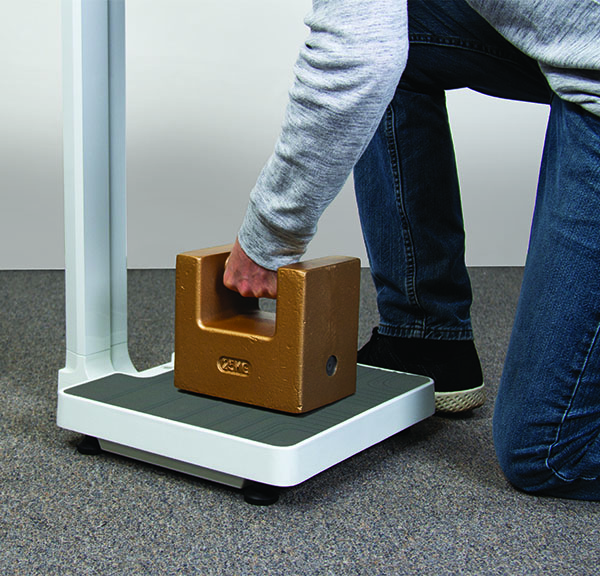
Even if an event similar to the ones listed above has occurred, your scale may not need calibration. Use the scale weight readings as a guide by watching for significant weight changes over small periods, indicating the need to recalibrate. To know for certain, test a certified calibration weight on the scale.
Certified Calibration Weights
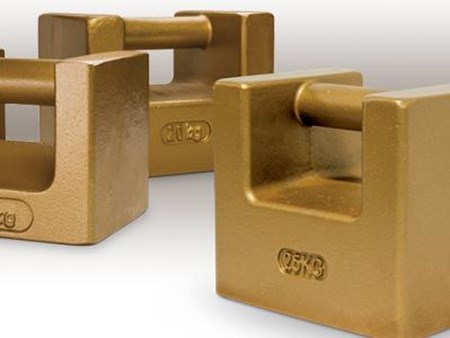
Certified calibration weights are needed for medical scale calibration. By having the exact measurements of the weight, operators can ensure scales read the proper weight. While using consumer weights such as barbells may seem like a quick solution, there is no way to check the exact accuracy of those items. ASTM Class 6, grip handle, cast iron calibration weights are ideal for calibrating imperial and metric medical scales due to the level of precision and durability of the weights.
Preventative Maintenance
To avoid other issues that cause inaccurate weight readings, perform preventative maintenance inspections. These allow medical personnel to detect and remedy faulty equipment, often catching problems early and preventing equipment failure. Preventative maintenance and weight checks keep scales functioning properly.
Rice Lake Weighing Systems’ Healthweigh® Scales
Rice Lake offers a robust line of Healthweigh medical scales designed for safety and durability, providing accurate results for weighing needs throughout a medical facility. With a variety of models offering different capacities, Rice Lake offers the perfect fit for any application.
Related Products
Related Products
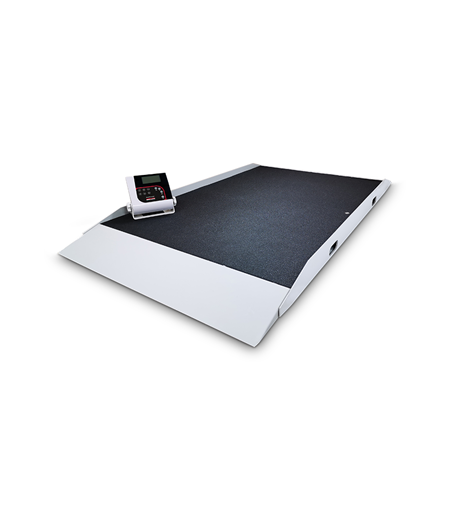
350-10-8S Digital Stretcher Scale
The Rice Lake Healthweigh® 350-10-8S Digital Stretcher Scale is designed to be the first line of weighing when a patient is being received into a medical facility by a stretcher.
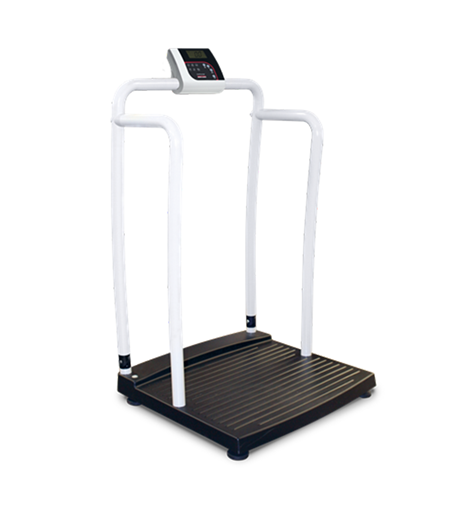
250-10-2 Bariatric Handrail Scale
Rice Lake's Healthweigh® 250-10-2 bariatric scale with handrail is designed for weighing patients who need extra support and safety.
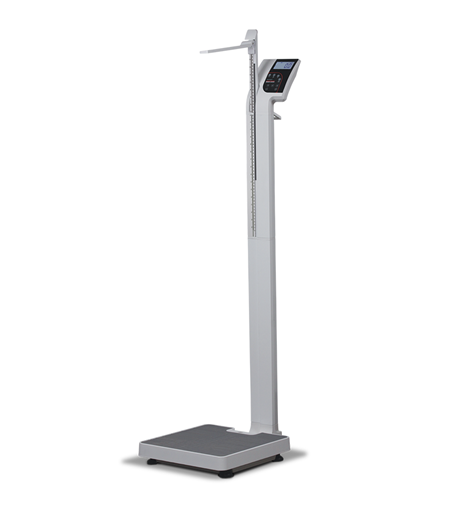
150-10-5 Digital Physician Scale Eye-Level
The Rice Lake Healthweigh® 150-10-5 digital physician scale is designed for both modern appearance and contemporary function, making it ideal for a range of medical and fitness environments.
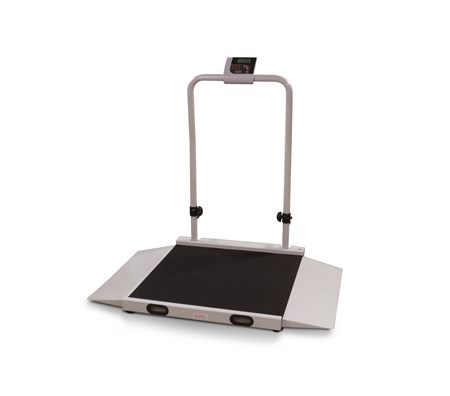
350-10-3M Digital Wheelchair Scale
Rice Lake’s Healthweigh® 350-10-3M is a dual ramp, metal wheelchair scale joining the 350-10 Series family. This durable scale offers accurate, high capacity weighing for a wide range of patients.