


 My Account
Is the website displaying in the correct language? Please confirm or select a different language.
Your region has been set automatically. Please confirm or select a different region.

Properly Welding on Structures with Load Cells
Load cells are sensitive scale components that can be easily damaged by welding near the load cells or on the weighing structure. Take the proper precautions to keep your load cells working right.
Maintaining Load Cell Accuracy
Load cells are critical components of a weighing system. Although they are often quite heavy and built with solid metal, load cells are much more delicate than they appear. Welding near a load cell or on the weighing structure can damage the load cell and lead to inaccuracies.
The current produced from welding is much higher than what load cells are typically constructed to withstand. In addition, welding can also expose load cells to high temperatures, welding splatter and mechanical overloads. Most load cell manufacturer warranties do not cover damage to load cells due to welding near a cell. Therefore, it is always best to remove a load cell prior to welding, if possible.

Safely Welding Near Load Cell Structures
To avoid load cell damage, remove them prior to welding on the structure. Even if the welding is not near a load cell, it is still recommended to remove all load cells before starting. To protect load cell longevity, follow the steps below throughout the welding process.
- Inspect the entire system for electrical connections and grounding.
- Turn off all sensitive electrical equipment on the structure. Never weld on an active weighing structure.
- Disconnect the load cell(s) from all electrical connections.
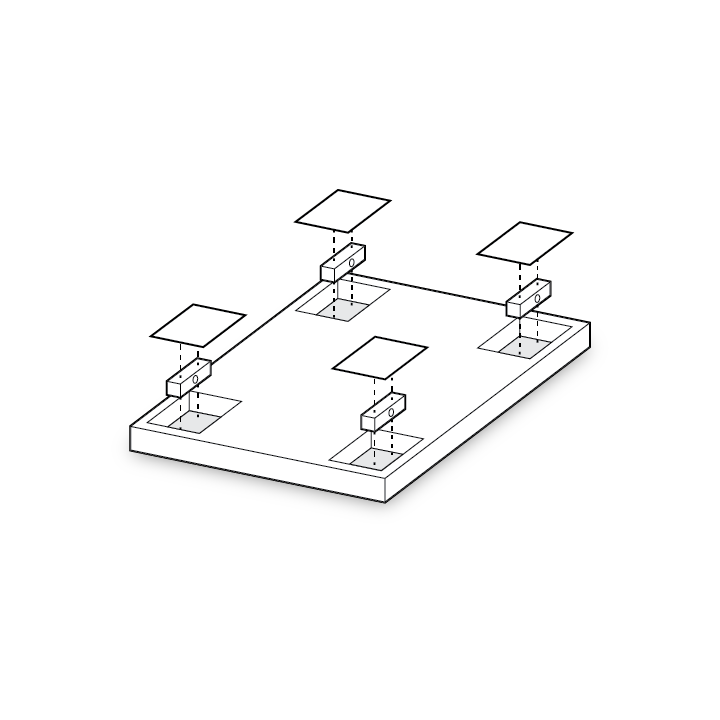
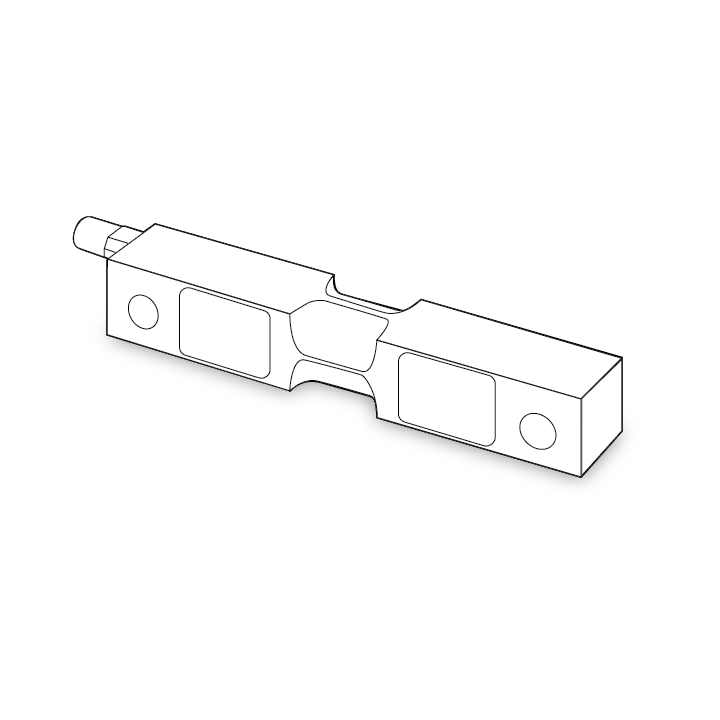
- Verify the weigh module or assembly is securely bolted to the structure, then safely remove the load cell(s).
- Insert a spacer or dummy load cell in its place for the entire welding duration. If needed, use appropriate lifts or jacks on suitable points to raise the structure safely. Inspect the mechanical assembly before lowering the structure onto the weighing assembly with dummy cells.
- Ensure all welding grounds are in place prior to welding.
- When welding is complete, return the load cells to their assemblies. Inspect the mechanical integrity, reconnect any electrical equipment and turn it on. Scale calibration may be required at this point to verify functionality.
Welding With Load Cells Installed
When it is not possible to remove the load cell, take the following precautions to protect the load cell assembly and minimize the potential for damage.
- Inspect the entire system for electrical connections and grounding.
- Power off all electrical equipment on the structure. Never weld on an active weighing structure.
- Disconnect the load cell from all electrical connections, including the junction box.
- Insulate the load cell by connecting the input and output leads, then insulate the shield lead.
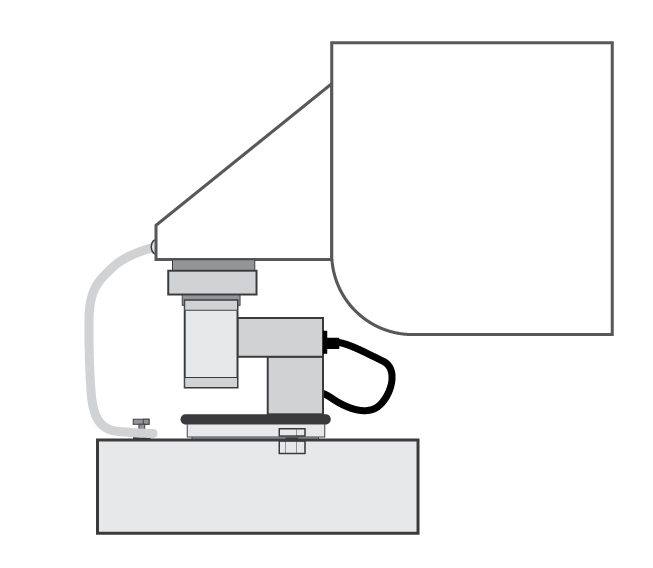
- Place a bypass cable to reduce the current flow through the load cell. Connect the upper load cell mount or assembly to a solid grounding, terminating with bolts for low-resistance contact.
- Check all welding grounds are in place prior to welding. When welding above the load cell, clamp the welding ground above the load cell as well to prevent the current from traveling through the load cell. When welding below the load cell, clamp the ground below the load cell.
- If space allows, place shields around load cell(s) to protect from high temperatures and welding splatter.
- Be aware of mechanical overloading conditions and prevent them.
- Keep welding near the load cell to a minimum and use the highest allowed amperage with an AC or DC welding connection.
- After welding, remove the load cell bypass cable and inspect the mechanical integrity of the load cell mount or assembly. Reconnect the electrical equipment and turn it on. Scale calibration or load cell troubleshooting may be required at this point.

Never Weld a Load Cell Assembly or Weigh Module
You should never directly weld a load cell assembly or weigh module. Doing so voids all warranties and compromises the weighing system's accuracy and integrity. If an application has specific requirements, find a manufacturer that creates custom solutions rather than modifying weigh modules yourself.
Consult the Load Cell Manufacturer
All weighing structures are unique. Before welding, consult a licensed scale engineer or manufacturer representative. Rice Lake Weighing Systems offers high-quality load cells and customer support provided by scale experts who can assist with troubleshooting, installation, welding and more. Find the perfect load cell from Rice Lake, or work with talented engineers to create a custom solution that fits your application.
Related Products
Related Products
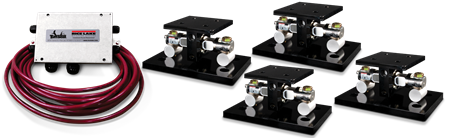
EZ Mount 1 Weigh Module with RL70000 Load Cell
The EZ Mount 1 Series weigh module utilizes the double-ended beam design with an articulating top plate to provide superior accuracy in any loading condition.
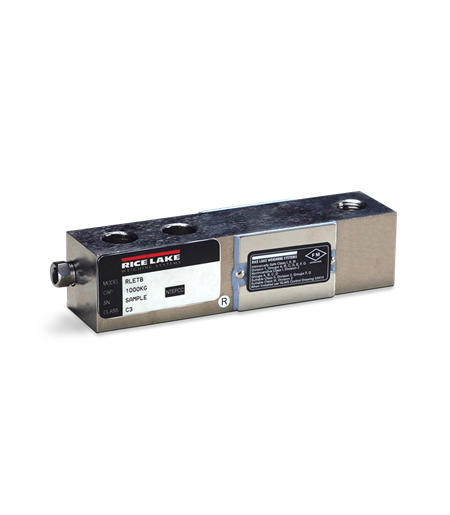
Rice Lake RLETB Alloy Steel, Single-Ended Beam Load Cell
Rice Lake RLETB alloy steel, single-ended beam load cell is designed for low-profile scales and process applications with metric envelope capacities.
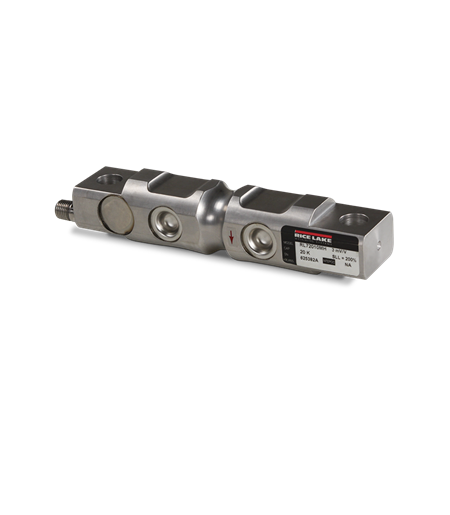
Rice Lake RL72010MH Stainless Steel, Double-Ended Beam Load Cell
The hermetically-sealed, stainless steel RL72010MH double-ended beam load cell is an ideal replacement for the RL71000HE and RL70000SS when moisture is a concern.
