Nestled between the mighty Pacific and the Bering Sea rests the great state of Alaska, named for an Aleut word “Alyeska,” meaning ‘that which the sea breaks against’. While Alaskans rely on the sea and the land for survival, the world relies on their number one industry—fishing. Commercial fishing has long been considered one of the most dangerous jobs in the U.S.
It was here, in the Pacific Northwest waters near southeast Alaska, that Cheyenne Scale owner and operator, Cheyenne Humphries, learned the value of hard work and entrepreneurship. At age 15, Cheyenne’s parents allowed him to use the family troller to brave the dangerous waters and fish for Alaska’s economic staple: salmon. Picking up many bottom fish along the way, Cheyenne was able to sell the extra to local restaurants, and keep the profits in return. He discovered that serving the fishing industry was something he wanted to do for the rest of his life, and it is what Cheyenne Scale has been doing for nearly 20 years.
Throughout Alaska and Washington State, Cheyenne, along with his daughter and team supply scales to all process stages of the commercial fishing industry, from tender boats to canneries. Rice Lake Weighing Systems’ Measurement Systems International (MSI) brand of overhead weighing products are designed and developed in Seattle, allowing a long working relationship with Cheyenne. In their lifetime, Cheyenne Scale and MSI have witnessed the ebb and flow of many fishing seasons particularly that of the salmon harvest. Through new technology and comprehensive understanding of the salmon runs, unprecedented numbers of fish are now harvested from the Alaskan and Pacific Northwest waters year round. In fact, according to the Alaskan Department of Fish and Game, the 2013 Alaskan salmon harvest set a new record at 272 million total fish harvested, which is good for everyone—unless you are a fish.
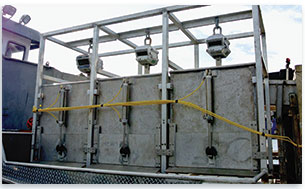
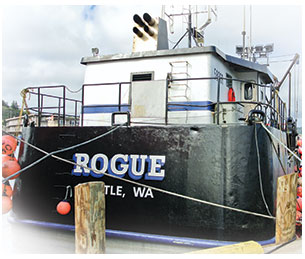
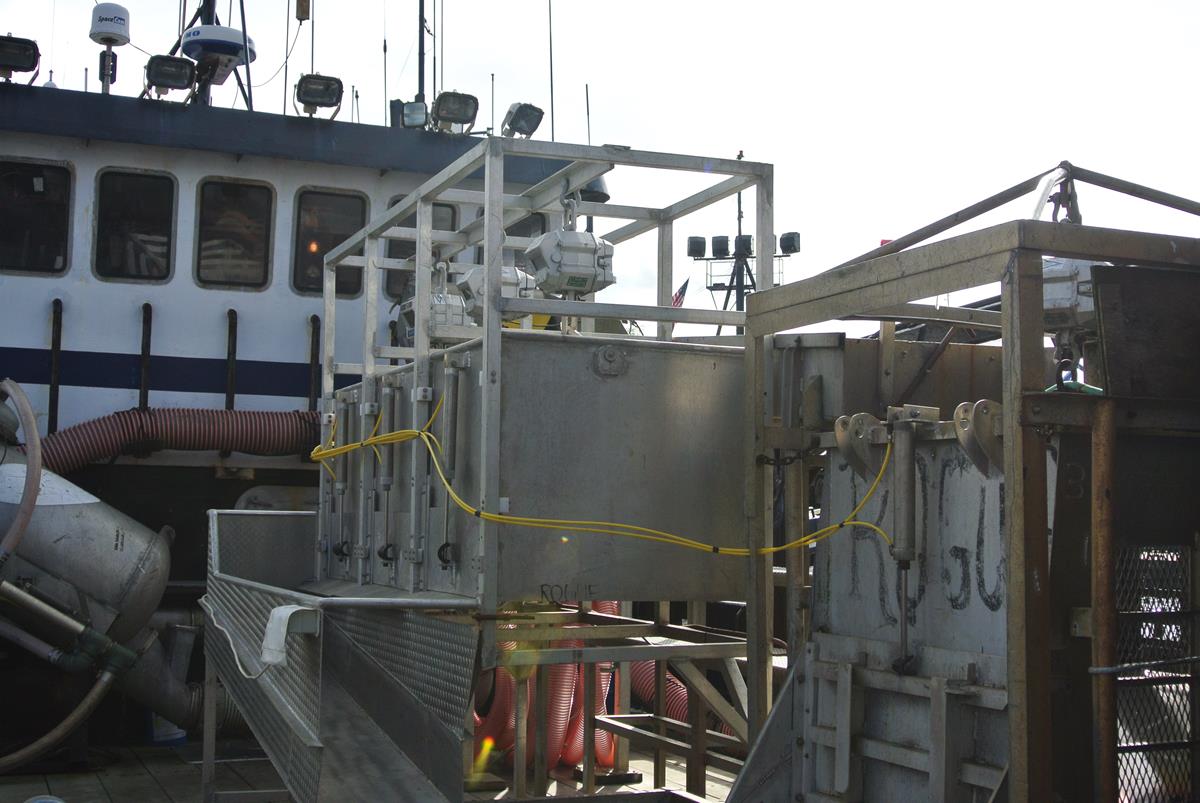
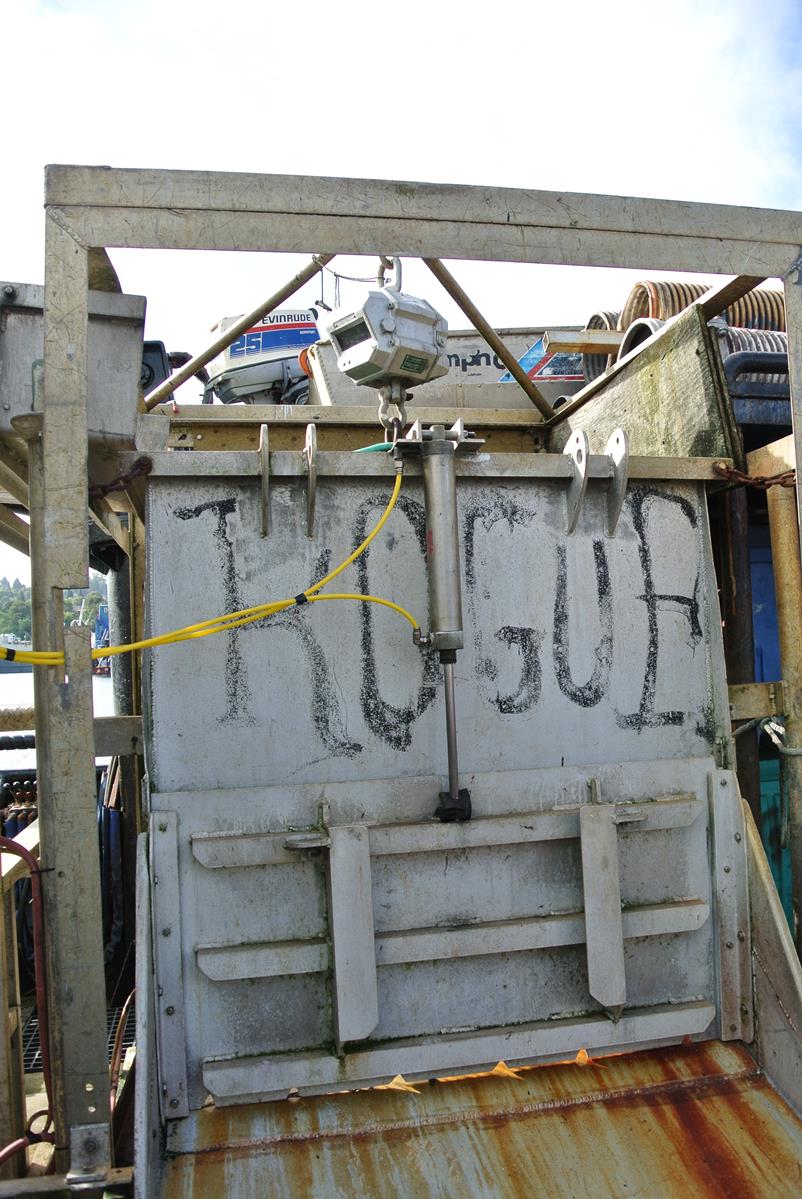
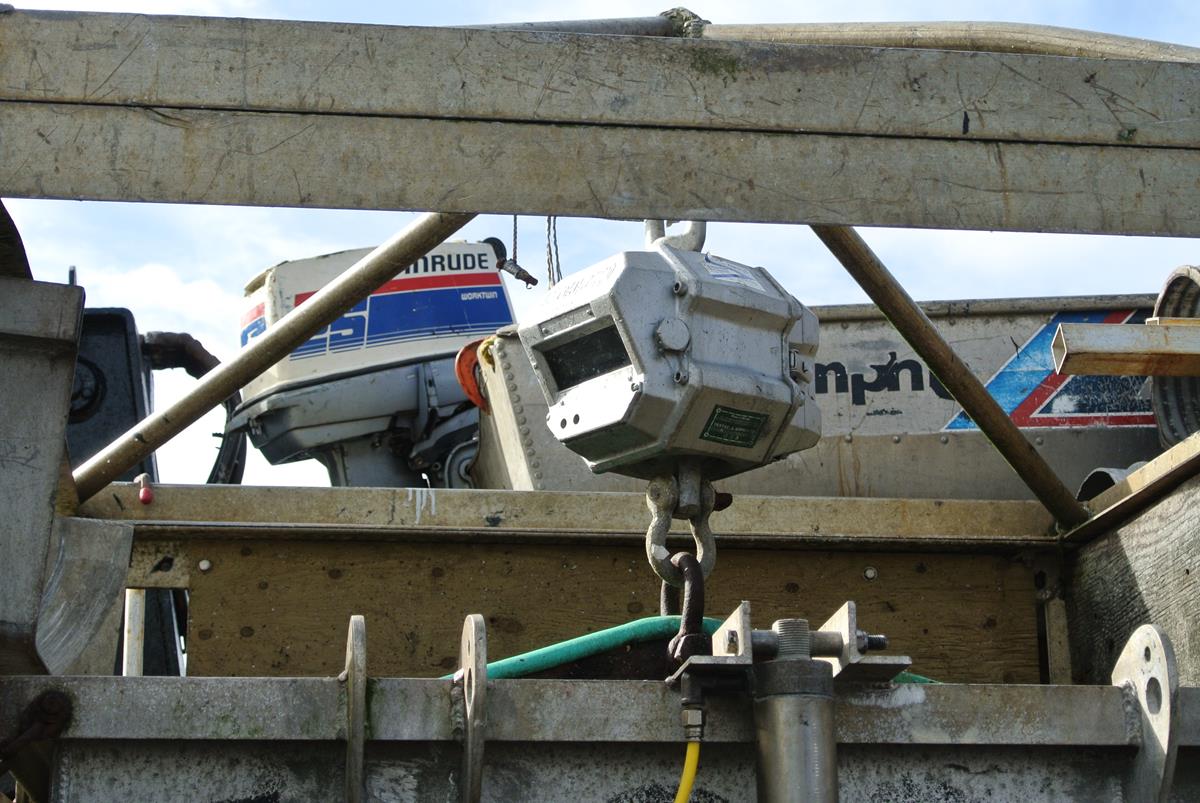
With so many fish to catch, commercial fishing operations need to offload fish quickly and get back out to harvest. That’s where fishing tenders come in. These large boats are assigned to transport people, supplies, or in this case, fish, from ship to shore in all conditions—turbulent salt water, icy sea air, bitter wind and driving rain. Strategically located between the fishing grounds and harbor, tender boats buy the catch from the fishing boats and resupply them with fuel. According to Cheyenne, “These fishing boats pack 15-25,000 pounds and want to turn around as fast as possible. That’s the tender boat’s purpose—to get the doggone boats back out fishing again.” Accurately weighing and documenting the catch to credit the fishing boats requires a scale that can not only thrive in any condition, but quickly provide an accurate weighment and collect specific data such as salmon species. Enter the reputable MSI-4260 Port-A-Weigh and MSI-4300 Port-A-Weigh Plus crane scales.