Is the website displaying in the correct language? Please confirm or select a different language.
Your region has been set automatically. Please confirm or select a different region.
Truck Scale Load Cells and Mounting Systems
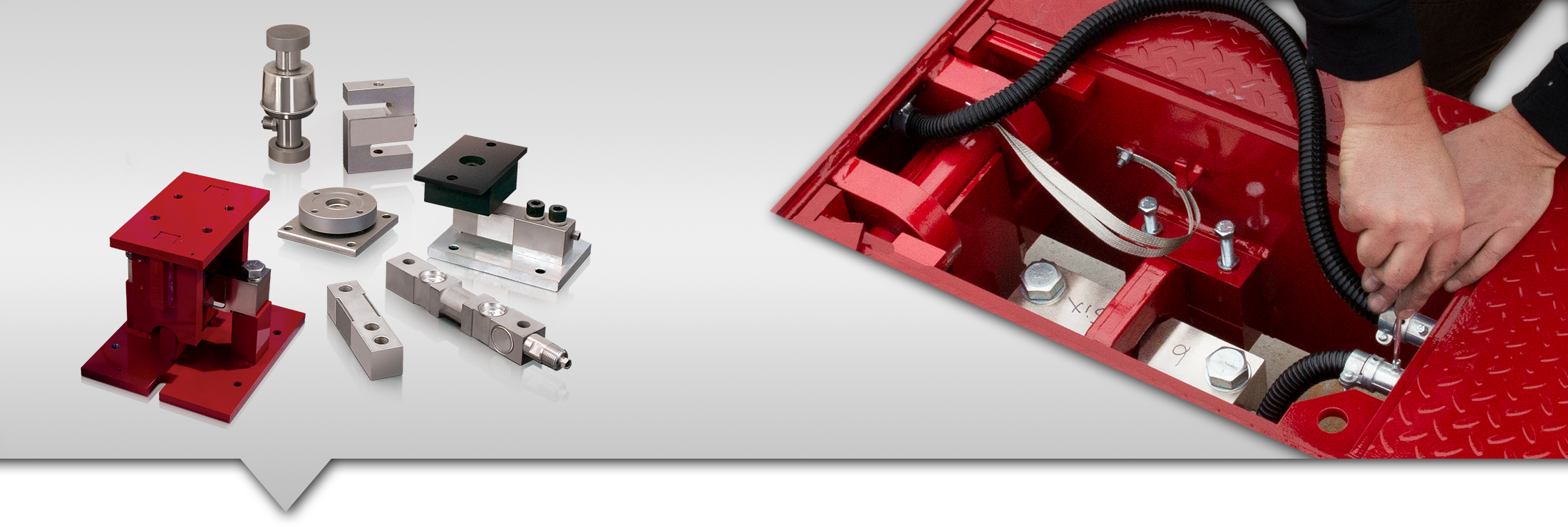
Load cells come in many different designs, and there are multiple high-capacity solutions created for truck scales.
What is a Load Cell?
A load cell converts a mechanical force into an electrical signal. In truck scales, load cells are typically mounted beneath the weighing vessel and compress when weight is applied. The load cell produces an analog output signal based on applied force, and it’s transmitted to a controller that converts the signal into a digital weight measurement. There are three main types of load cells, and they transmit this information in different ways:
Analog Load Cells
These are the most common. Analog load cells measure weight through a strain gauge, sending the electrical signal to an indicator or other equipment that converts it to the weight reading.
Analog-to-digital Load Cells
Signals from strain gauges are converted within analog-to-digital load cells. This means it no longer needs an indicator to translate the information. However, there is more wiring and complexity within these load cells.
Hydraulic Load Cells (Pressure Transmitters)
Instead of strain gauges, hydraulic load cells measure pressure through hydraulic fluid. The results are transmitted via tubing to an indicator.
Types of Load Cell Designs
With so many different scales and applications, load cells are designed in various ways to suit the needs of specific environments. Depending on the equipment used at the site and the items being weighed, load cell needs may vary. Different load cells come in varying sizes, which may impact what kind of mount is suitable for the scale. For heavy-capacity situations such as weighing trucks, the following are frequently used:

|
Rocker Columns: |
Double-ended Shear Beams: |
Canisters: |
![]()
Load Cell Material Selection
Truck scale load cells are generally made of stainless steel or steel alloy, but most manufacturers offer a variety of load cell solutions that best fit your application needs.
| Aluminum: | Alloy Steel: | Stainless Steel: | Multi-layer Coated (MLC) Steel: |
|
Load cells built with aluminum are typically for low-capacity applications, but are a more affordable solution. |
Designs with alloy steel are much more common, due to the quality performance and affordability. These load cells can be manufactured to different specifications with ease. |
In corrosive, high-moisture environments, stainless steel designs may be a better fit, due to the durability and resistance of the material. Stainless steel load cells can also be hermetically sealed for a long-lasting solution. |
MLC steel load cells go through a two-step finishing process, which maximizes durability and minimizes corrosion. |
Rice Lake Weighing Systems’ Load Cells and Mounts
Rice Lake offers a range of load cells, providing custom solutions to every application. Paired with the G-Force™ self-checking mounting system which reduces strain, Rice Lake’s truck scales are durable solutions with consistent, accurate results. Contact an expert today at 800-472-6703 to find the right load cell for you.

