It takes a special breed to be a farmer. One must withstand the physical rigors of daylong exertion and seemingly endless tasks. Those who take on the challenge provide essential products, from crops to livestock, across the world. While everyone enjoys the fruits of their labor, few realize the effort required along the way. Each hour is an investment with the hope of long-term dividends, and in the cattle-farming industry, no piece of equipment better captures a return on investment than an accurate, durable livestock scale.
David Bryant, owner of Smoky Mountain Cattle Consulting in Cleveland, Tenn., is a livestock industry expert. From an impressive education that includes a graduate degree in animal science to running his fifth-generation family farm, David knows the ins and outs of the business. A native Kansan, he now resides in Tennessee because of the high volume of beef cattle in the area. When most people think of beef cattle, they think Texas, Nebraska and Montana. While these states may boast higher total cattle numbers, the southeastern United States holds bragging rights for most cow-calf operations. Tennessee, Georgia, Alabama, Kentucky and Florida provide an ideal climate and optimal forage environment for beef cattle. The rocky sub-terrain doesn’t lend itself to crop land, making more land available for cattle. The soil may not be ideal for crops, but it is excellent for fescue and bluestem grasses, which provide outstanding cattle nourishment. These elements combine to foster a perfect cattle-raising environment.

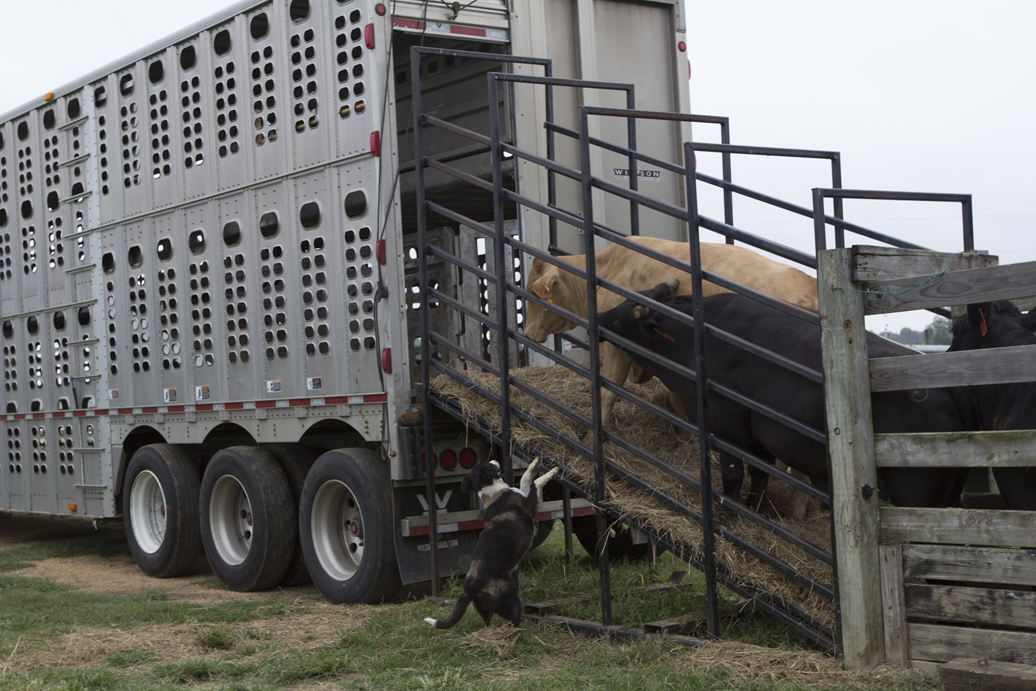
Many factors are integral to the success of cattle businesses; however, record high beef prices have increased the significance of every pound of beef, making one factor most important: high sale weights. “When at marketing time,” David explains, “many sellers traditionally weighed cattle on trucks, and that is still done today in many areas. Unfortunately, the seller often comes up short in these transactions. The first and most important reason for this is shrink, which is the amount of lost animal fill. Before the cattle are loaded, the buyer and seller agree on a shrink percentage. When the cattle are penned up, waiting for the truck to arrive, they lose quite a bit of weight due to stress. Cattle typically lose one to two percent more than the agreed-upon shrink, depending on how long they have to wait. The farmer is totally dependent on the trucker, and if he is late, the farmer loses significant money in shrink. Two percent of a semi load of cattle is thousands of dollars.”
“The second issue with weighing cattle on the delivery truck is unbillable transportation costs,” David continues. “Before arriving, the driver has to weigh his truck on a truck scale, then burns fuel from that stop to the farm. The cattle are loaded as the truck is idling and burning more fuel. Then, the driver has to return to the truck scale and weigh the full load, but his truck now weighs less than the first weighment. The fuel burned throughout this process is not accounted for, nor is it legal to do so. The weight lost from fuel consumption cuts into the weight of the cattle. It may not be a lot, but it would be a measurable amount of money. If a farmer sells multiple truckloads per year and lives a good distance from the nearest truck scale, it adds up to a significant amount of lost revenue.”
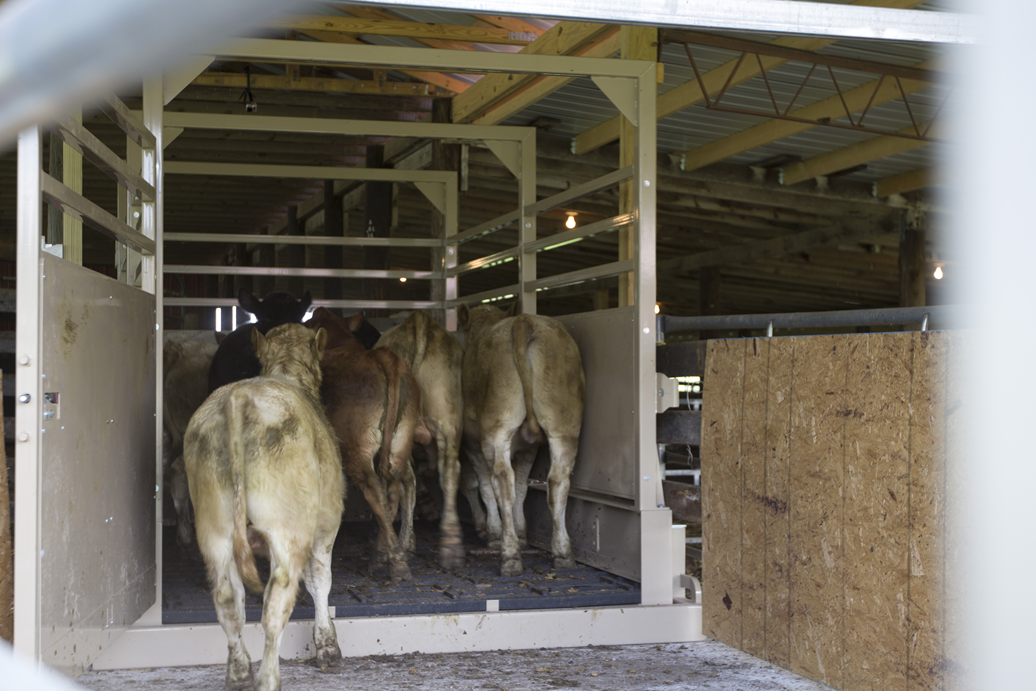
Bringing the scale to the cattle (rather than the cattle to the scale) captures this lost revenue and is designed to save thousands of dollars on shrink because the cattle are weighed on a Legal for Trade scale prior to loading and transport. It also takes logistical variables out of the equation. The seller doesn’t have to wait for the truck to arrive. He and the buyer simply decide on a weighment date and the farmer performs the transaction in a low-stress environment. “It’s exponentially more ideal,” David explains. “The farmer is able to get the cattle up at his leisure, weigh them and print a legal ticket all on his farm. It gives him peace of mind because he isn’t dependent on someone else.”