
>
Your region has been set automatically. Please confirm or select a different region.
Rice Lake's Dimensioning Resource Center is designed to help you calculate dimensional weight, learn how a dimensioner works and become empowered to choose the right system for you.

Rice Lake’s iDimension® Series captures images of packages, flats, poly bags, tubes and irregular shaped items in record time to calculate the dimensions of your packages for shipment. The iDimension Series provides carriers with the dimensions and weight of pallets and packages in less than a second. The iDimension Series provide easy-to-use, Legal for Trade solutions and allows users to identify the correct freight class, reducing the risk of additional fees from carriers.
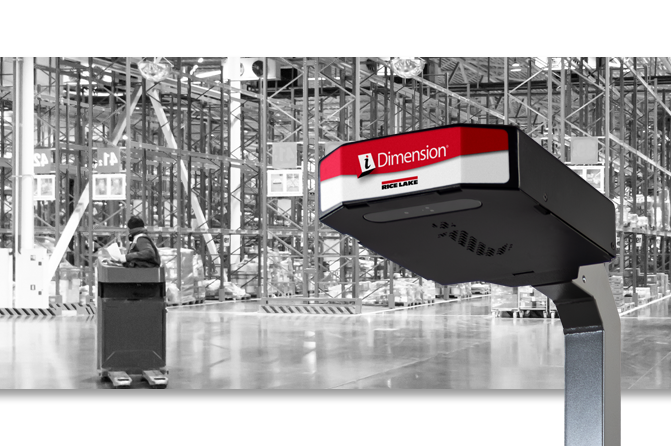
The fastest static tabletop dimensioner for boxes, flats, polybags, tubes and irregular-shaped packages. The iDimension Plus easily integrates into existing workstations.
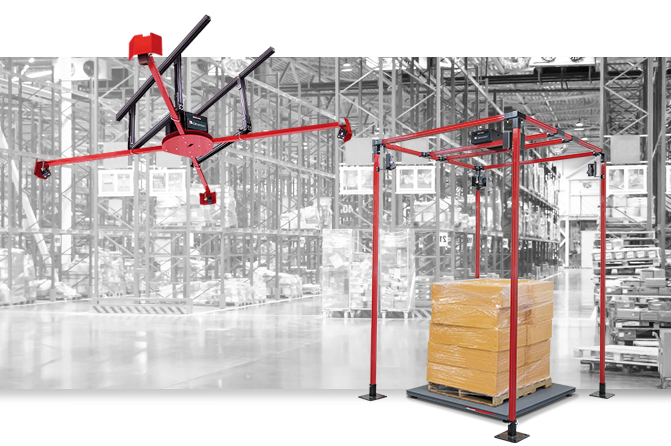
Ensure accurate dimensions on your bill of lading and protect against costly invoice corrections from LTL carriers by integrating the iDimension Flex dimensioning systems.
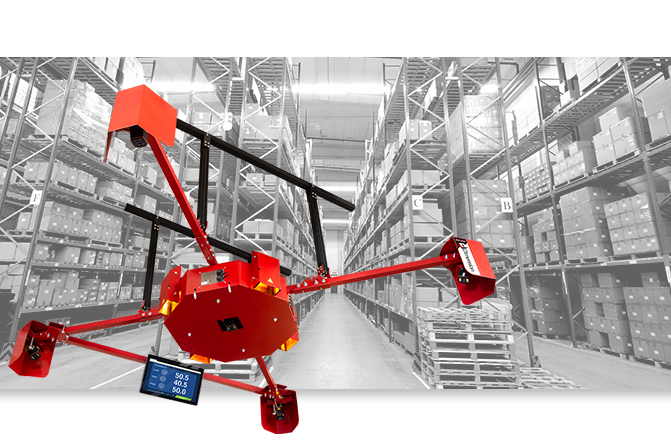
The iDimension LTL helps LTL carriers and companies with a high percentage of product shipped via pallet or crate reduce the potential for human error.
The National Motor Freight Traffic Association (NMFTA) defines and standardizes what a freight class is, and these definitions are made available through the National Motor Freight Classification (NMFC). In the past, freight classification was defined by liability, handling, stowability and density. Once those four criteria are established, a class is chosen to identify shipment price.
Starting in July 2025, freight that does not have handling, stowability or liability concerns will be classified solely based on density. Density can be calculated by dividing weight by volume in cubic feet. Dimensioning systems can calculate an accurate density in seconds, helping shippers reduce incorrect measurements.
Once relatively unknown to shippers and carriers alike, today dimensional weighing is an essential component of the postal industry. Carriers use dimensional weight to determine shipping prices based on a package’s volume in addition to its weight—and then charge for whichever is greater.
A carrier’s truck will often be considered full before it reaches its weight capacity due to space restrictions. This can be attributed to the overuse of packing materials, which may create empty space in boxes.
Want to learn more about dim weight and why the industry enacted this change in shipping processes? Read our article "What Is Dimensional Weight?" to learn more.

1. Begin by measuring the length, width and height of the item you are shipping. If you are shipping polybags, tubes or shrink-wrapped items, you will need to determine the item’s cubed dimensions.
2. Use the dimensional weight formula: Dimensional Weight = L x W x H / Carrier's Official Divisor
3. Next, weigh your item on a calibrated scale and determine which is greater: the item’s dimensional weight or its actual weight. The shipping carrier will charge you based on the greater of the two. Use the greater number to compare your available shipping rates.
The shipping carrier will charge you based on the greater of the two. Use the greater number to compare your available shipping rates.


Calculate the dimensional weight of your package using the calculator below. Manually measuring length, width and height can be time-consuming and prone to errors, but a dimensioner solves that problem by instantly calculating these measurements with sensing technology.
On average, 35% of audited freight is found to have been misclassified due to inaccurate weight or dimensional measurements. Carrier chargebacks can range from $50 to $250 for each pallet that is reclassified. By implementing pallet dimensioning systems similar to what your carriers use for audits, you can ensure you’re capturing Legal for Trade measurements and selecting the correct freight class every time.
Calculate your return on investment by clicking the link below.


If you are ever unsure whether you’re meeting shipping guidelines, ask the person who knows best when it comes to outbound freight—your carrier!
Discover how to improve your shipping processes by reading our article "Top 10 Ways to Improve Dim Weight Shipping Processes."

We offer a variety of different resources to help you learn more about dimensioning.
Watch these videos to learn more about Rice Lake dimensioners!
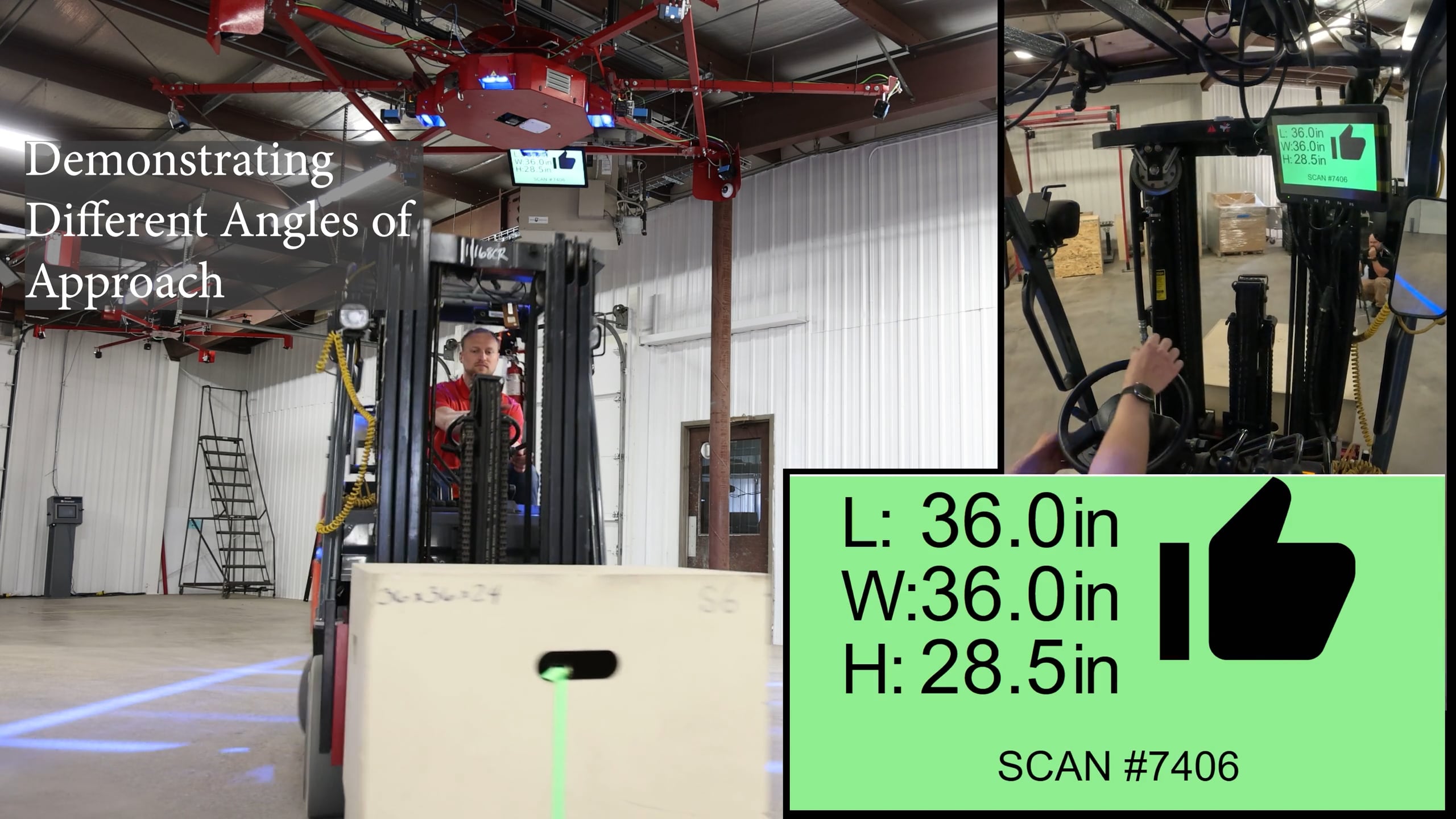
Adding optional in-motion dimensioning makes the iDimension LTL ideal for high-volume LTL carriers and companies with a product shipped via pallet or crate.
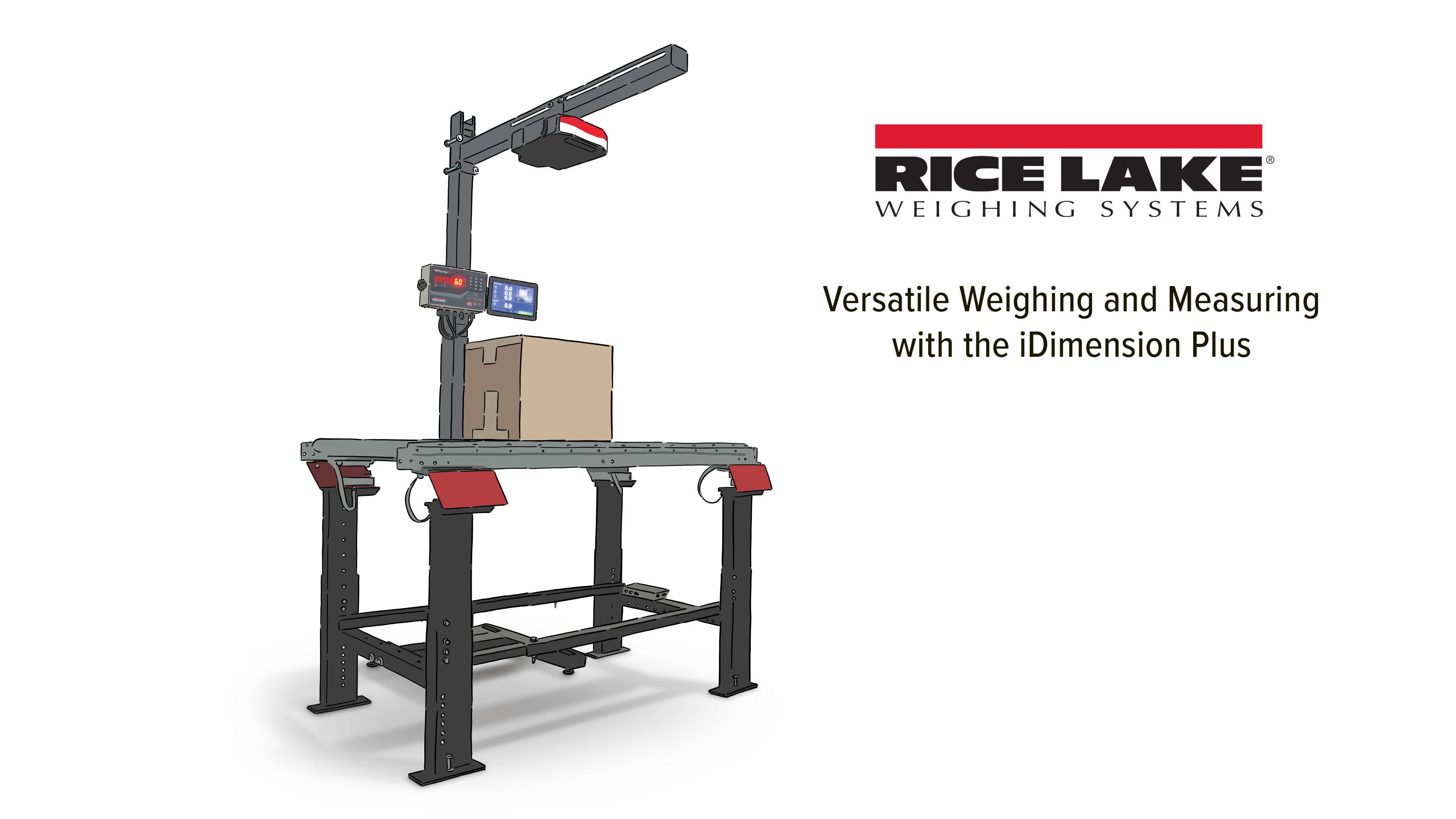
iDimension® Plus allows shipping departments to accurately obtain weights and dimensions of pallets, parcels and more!

Ideal for LTL carriers and companies with a high percentage of product shipped via pallet or crate, iDimension removes the potential for human error when taking measurements.

